We are Orthodox Christian Greeks.
Because we are Orthodox Christians, we love our country, our people and all the peoples of the earth; this of course includes our African brothers and sisters.
Kadijatu Allieu was tied up, beaten, blindfolded, and gagged. Then the women who had taken her mutilated her genitals with a razor and left her lying in a pool of blood for three days before she escaped.
In a historic act, she brought her case to West Africa’s highest court, and the judges JUST ruled that female genital mutilation (FGM) is a form of torture and Sierra Leone must ban it. Sierra Leone’s President Bio is sympathetic, but Parliament is blocking. Now it’s up to his leadership to push the ban through. Let’s show him the world is with him!
We did it in The Gambia, backing survivors and activists. Let’s do it
again – and if enough of us sign, we’ll take our call directly to his
office with Sierra Leone’s youth and a hard-hitting ad campaign. Sign
now on this page.
To President Julius Maada Bio and all Members of Parliament, Sierra Leone:
As citizens from around the world, we are
appalled that Sierra Leone’s law allows the cutting of girls’ genitals.
We urge you to immediately implement the ruling of the Court of Justice
of the Economic Community of West African States (ECOWAS), revise the
Child Rights Act of 2025, and ban FGM. Protect the girls who haven’t yet
been cut!
Image: Credited to Ivan Lieman, the photo depicts a razor blade being used to cut a girl’s genitals. ----
This campaign is run in partnership with A Girl At A Time --
an organisation empowering young girls in Sierra Leone to live free
from violence, fear, and exploitation through advocacy, therapy, and
education.
Μέσα στις επόμενες
μέρες, ο πρόεδρος της Σιέρα Λεόνε καλείται να λάβει μια ιστορική
απόφαση: Να προστατεύσει τα κορίτσια απ’ την κλειτοριδεκτομή. Το ανώτατο δικαστήριο της Δυτικής Αφρικής
κι ο ίδιος ο πρόεδρος πιστεύουν ότι αυτό είναι το σωστό. Ωστόσο,
αντιμετωπίζει ισχυρές αντιδράσεις στο Κοινοβούλιο, γι’ αυτό πρέπει να
γνωρίζει ότι έχει την υποστήριξη του κόσμου. Ας υψώσουμε τη φωνή μας, όσο ο πρόεδρος εξετάζει τις επιλογές του!
Η Kadijatu Allieu δέθηκε,
ξυλοκοπήθηκε, της έδεσαν τα μάτια και τη φίμωσαν. Στη συνέχεια, οι
γυναίκες που την είχαν απαγάγει ακρωτηρίασαν τα γεννητικά της όργανα με ξυράφι και την άφησαν να κείτεται σε μια λίμνη αίματος για τρεις ημέρες, πριν τελικά καταφέρει να δραπετεύσει.
Παρόλα αυτά, βρήκε το θάρρος, κι έφερε την υπόθεσή της ενώπιον του ανώτατου δικαστηρίου της Δυτικής Αφρικής, κι οι δικαστές μόλις
αποφάνθηκαν ότι ο ακρωτηριασμός των γυναικείων γεννητικών οργάνων
αποτελεί μορφή βασανιστηρίου κι η Σιέρα Λεόνε πρέπει να τον απαγορεύσει.
Ο πρόεδρος της Σιέρα Λεόνε, Μπίο, βλέπει θετικά την απόφαση, αλλά το Κοινοβούλιο τον εμποδίζει. Τώρα η απόφαση είναι στα χέρια του. Ας του δείξουμε ότι ο κόσμος τον υποστηρίζει!
Το κάναμε στην Γκάμπια, υποστηρίζοντας επιζήσασες κι ακτιβίστριες. Τώρα
ας το κάνουμε ξανά, παραδίδοντας την έκκλησή μας απευθείας στο γραφείο
του μαζί με νεαρές ακτιβίστριες της Σιέρα Λεόνε και ξεκινώντας μια
δυναμική διαφημιστική εκστρατεία. Ένωσε τη φωνή σου:
Ο πρόεδρος Μπίο έχει υπερασπιστεί τα δικαιώματα των γυναικών στο παρελθόν:
Έγραψε ιστορία επιλέγοντας την πρώτη γυναίκα υποψήφια αντιπρόεδρο,
δήλωσε ότι «το μέλλον της Σιέρα Λεόνε είναι γένους θηλυκού» και πίεσε
για την είσοδο περισσότερων γυναικών στη Βουλή. Εμπνευσμένος απ’ τη
δύναμη της μητέρας του, θεωρεί τις γυναίκες τη ραχοκοκαλιά της χώρας κι
έχει δηλώσει ότι: «Ενώ πρέπει να σεβόμαστε τον πολιτισμό μας, έχουμε καθήκον να προστατεύουμε τα κορίτσια και να διασφαλίζουμε την ασφάλειά τους».
Τώρα, πρέπει να κάνει πράξη τα λόγια του.
Ντόπιες
ακτιβίστριες κι επιζήσασες ζητούν την άμεση απαγόρευση της
κλειτοριδεκτομής και μας ζήτησαν να δυναμώσουμε τη φωνή τους για να δείξουμε στον πρόεδρο Μπίο ότι όταν αντιμετωπίσει το Κοινοβούλιο, δεν θα είναι μόνος: Θα έχει όλο τον κόσμο στο πλευρό του!
Ένωσε
τώρα τη φωνή σου και μαζί με ακτιβίστριες της Σιέρα Λεόνε, θα
μεταφέρουμε την έκκλησή μας απευθείας στο γραφείο του προέδρου και θα
ξεκινήσουμε μια δυναμική διαφημιστική καμπάνια.
Το κίνημά μας μας έχει αγωνιστεί
ακατάπαυστα για τα δικαιώματα των γυναικών και των κοριτσιών, απ’ τα
αναπαραγωγικά δικαιώματα και την εκπαίδευση των κοριτσιών, μέχρι την
κατάργηση των παιδικών γάμων. Πέρσι στην Γκάμπια καταφέραμε να
προστατεύσουμε την υπάρχουσα απαγόρευση της κλειτοριδεκτομής. Τώρα ας
συσπειρωθούμε ξανά για να απαιτήσουμε δικαιοσύνη στη Σιέρα Λεόνε και να
σταθούμε στο πλευρό κάθε κοριτσιού που ακόμη κινδυνεύει.
Με ακλόνητη ελπίδα,
Muriel, Nate, Eza, Mo, Nadia, Huiting, Miguel, Antonia, Κατερίνα κι η ομάδα του Avaaz
Φωτογραφία:
Αποδίδεται στον Ivan Lieman, κι απεικονίζει μια λεπίδα ξυραφιού που
χρησιμοποιείται για τον ακρωτηριασμό των γεννητικών οργάνων ενός
κοριτσιού.
Bishop Themistocles of Nikopolis (also known as Fr Themi) has
been conducting visits around Australia to share his experiences and
learnings from his missionary work in Sierra Leone.
While in South Australia, the bishop visited St George College, the
state’s first Greek Orthodox School, to share some valuable insights
with teachers and students as a guest and key speaker.
After the morning assembly prayers, the bishop went on to explain how
he has been helping people in Africa since 2008 with fundraisers and
volunteer work. He also explained that aside from the bigger projects he
also involves himself everyday with “hands-on” duties including
providing education to young and old, preparing meals, supplying those
in need with clothing and helping in the building of homes for those who
are homeless.
Bishop Themi then asked the students how many pairs of shoes they owned, receiving responses ranging from two to many.
Bishop Themi talking to the students at St George College. Photo: Supplied
“You don’t know how lucky you are here in Australia to have not just
one pair of shoes, let alone multiple pairs of shoes,” he said,
highlighting the privilege of Australian students to attend everyday
schooling and have access to food.
“In Africa, if the parents and the children don’t go to the streets
and work as beggars, they won’t have any money to buy themselves food
for that day,” Bishop Themi added, explaining how much it means to have
just one dollar a day in Africa.
The bishop then shared a video of the mission showing himself with
other volunteers working alongside local people to ensure the community
is provided with day-to-day necessities, health, education and support.
Touched by the speech and video, one of the younger students of the
College, asked: “How can we help these families by sending shoes from
Australia to Africa?,” a question that moved not only Bishop Themi but
everyone in the audience.
Τετάρτη 10
Ιανουαρίου 2018. Ήμασταν ήδη μια εβδομάδα στη Σιέρρα Λεόνε,
προσκεκλημένοι του Ιεραποστόλου πατρός Θεμιστοκλή Αδαμόπουλου. Είχαμε
συγκλονιστεί από τις αλλεπάλληλες εικόνες ανθρώπων σε κατάσταση έσχατης
ένδειας. Δεν μπορούσαμε να φανταστούμε ότι η επίσκεψη που είχε
οργανώσει ο πατήρ Θεμιστοκλής στην παραγκούπολη του Κρου Μπέι θα ήταν
πραγματική γροθιά στο στομάχι.
Η συνοικία Κρου Μπέι όπου χτίστηκε το νέο σχολείο της ορθόδοξης ιεραποστολής
Όταν
φτάσαμε στον συνοικισμό και αρχίσαμε να οσφραινόμαστε τη βαριά μυρωδιά
της ατμόσφαιρας, συνειδητοποιήσαμε την χαώδη διαφορά ενός ντοκιμαντέρ
για την Αφρική που παρακολουθείς αναπαυτικά μέσα στην άνεση του σπιτιού
σου, όσο ρεαλιστικό κι αν είναι, από τη ζωντανή, εφιαλτική
πραγματικότητα, η οποία σε τσακίζει, σε διαλύει, σε κάνει να
αισθάνεσαι ένοχος γι’ αυτό που είσαι, για τις όποιες μικρές ή μεγάλες
ανέσεις απολαμβάνεις.. Να νιώθεις αίσθημα μεγάλης αδικίας να σε πνίγει.
Καθώς προχωρούσαμε σοκαρισμένοι, φτάσαμε στην γέφυρα του Τζώρτζ Μπρούκ. Οι σκηνές που αντικρίσαμε ξεπερνούσαν κάθε φαντασία. Ένας
κατάμαυρος χείμαρρος αποβλήτων κυλούσε αργά κάτω από τα πόδια μας,
ανάμεσα σε τόνους απορριμμάτων, δημιουργώντας αφόρητα αποπνικτική
ατμόσφαιρα, την οποία επέτειναν δεκάδες χοίροι που περιφέρονταν
ελεύθεροι ανάμεσα στα σκουπίδια και μέσα στα λύματα. Στις όχθες
του, σειρά νοικοκυριών στεγασμένων σε παράγκες φτιαγμένες από
σκουριασμένες λαμαρίνες δημιουργούσε εφιαλτικό σκηνικό. Άνθρωποι
περιφέρονταν ανάμεσα στα σκουπίδια, μέσα στα λύματα και δίπλα στους
περιπλανώμενους χοίρους, ενώ παιδιά έπαιζαν με αντικείμενα που είχαν
μαζέψει από αυτά ή με αυτοσχέδιους αετούς που είχαν φτιάξει, σχίζοντας
με τα δόντια τους σακούλες από τα σκουπίδια.
Απέναντι
από τη γέφυρα ανοιγόταν μία αλάνα και δεξιά της ένα καταθλιπτικό κτήριο
που έμοιαζε με κρατητήριο. Για να μπεις σ’ αυτό, έπρεπε να υπερπηδήσεις
φράχτη από τσιμεντόλιθους που εμπόδιζαν τα μολυσμένα νερά του Τζώρτζ
Μπρούκ να πλημμυρίσουν τον χώρο κατά την μακρά περίοδο των βροχών. Όπως
πληροφορηθήκαμε, ήταν το Δημοτικό Σχολείο του οικισμού, το οποίο είχε
κτίσει μία μη κυβερνητική φιλανθρωπική οργάνωση πριν από μερικά
χρόνια.
Δρασκελώντας τον φράχτη, μπήκαμε στο σχολείο. Το
καταθλιπτικό περιβάλλον, που περισσότερο θύμιζε κελί φυλακής παρά
σχολείο, σε συνδυασμό με την άθλια κατάσταση του εσωτερικού του κτηρίου
μας είχε αφήσει άφωνους. Σκεφτόμασταν τι μάθημα να έκαναν τα
δυστυχισμένα αυτά παιδιά σ’ έναν τέτοιο χώρο, σ’ ένα τέτοιο περιβάλλον.
Ο
πατήρ Θεμιστοκλής κοιτούσε θλιμμένος γύρω του και σε μία στιγμή τον
ακούμε να μονολογεί: «Να είχα τα χρήματα να αναλάβει η Ιεραποστολή αυτό
το σχολείο, να δώσουμε σ’ αυτά τα τόσο πονεμένα κι αδικημένα παιδιά μία
ελπίδα…!» και απευθυνόμενος σε μας λέει: «Θα μπορούσαμε να κάνουμε κάτι
γι’ αυτά τα παιδιά;» Το έλεγε κι ένας βαθύς πόνος έβγαινε από την καρδιά
του. Αυθόρμητα απαντήσαμε: «Θα κάνουμε ό,τι μπορούμε, πάτερ».Κάναμε
έναν πρόχειρο οικονομικό προϋπολογισμό του έργου κι αρχίσαμε να
μοιραζόμαστε το άπιαστο όνειρό μας με τους συνανθρώπους μας στην Ελλάδα.
Και το θαύμα έγινε. Μέσα σε πέντε μήνες συγκεντρώθηκε όλο σχεδόν το
ποσό που απαιτούνταν για να ξεκινήσει το έργο.
Σάββατο 10
Νοεμβρίου 2018. Έντεκα μήνες ακριβώς από την πρώτη επίσκεψή μας στην
παραγκούπολη Κρού Μπέι, μας αξίωσε και πάλι ο Θεός να βρισκόμαστε εκεί
για την θεμελίωση του σχολείου.Σήμερα το καταθλιπτικό εκείνο
κελί-σχολείο αποτελεί παρελθόν. Κατεδαφίστηκε. Στην θέση του
ανεγείρεται ένα λιτό σύγχρονο καλαίσθητο κτήριο επτά αιθουσών, που θα
ανταποκρίνεται πλήρως στις εκπαιδευτικές ανάγκες των διακοσίων και πλέον
μαθητών, πού κατά την ερχόμενη σχολική χρονιά συν Θεώ θα το γεμίσουν
χαρούμενες φωνές.
Η νέα πρόκληση που ανοίγεται τώρα μπροστά μας είναι η λειτουργία και η συντήρηση του έργου.
Στο χέρι μας είναι να καταστεί το έργο αυτό φωτεινός φάρος, που θα
δώσει ελπίδα στους ανθρώπους της τόσο υποβαθμισμένης αυτής περιοχής και
θα τους βοηθήσει να δουν το μέλλον με περισσότερη αισιοδοξία. Στο χέρι μας είναι να μην μείνει κανένας μαθητής του σχολείου ούτε μία ημέρα χωρίς εκπαίδευση και φαγητό.
Ι. Περράκης
Στηρίξτε την λειτουργία και συντήρηση του σχολείου στο Κρου Μπέι, στη Σιέρρα Λεόνε :
Σε λιγότερο από δύο χρόνια, σε
μια από τις πιο εξαθλιωμένες περιοχές του πλανήτη μας, την παραγκούπολη
Κρού Μπέι στην πρωτεύουσα Φριτάουν της πάμφτωχης Σιέρρα Λεόνε,
με δωρητές από την Ελλάδα και το εξωτερικό ολοκληρώσαμε την ανέγερση
ενός σύγχρονου Δημοτικού Σχολείου που θα ανταποκρίνεται πλήρως στις
εκπαιδευτικές ανάγκες των δασκάλων και των διακοσίων και πλέον μαθητών
που την ερχόμενη σχολική χρονιά θα το πλημμυρίσουν με τις παιδικές τους
φωνές.
Ψυχή αυτής της μεγάλης προσπάθειας ήταν ο συνεργάτης μας και καθηγητής Θεολογίας του 1ου Γυμνασίου Χαλανδρίου κ. Ιωάννης Περράκης
ο οποίος επισκεπτόμενος δύο φορές την Σιέρρα Λεόνε και αντικρίζοντας
την ζοφερή εικόνα του Κρου Μπέι ξεκίνησε την συγκέντρωση χρημάτων
ευαισθητοποιώντας φίλους και γνωστούς. Μέχρι σήμερα δαπανήθηκαν ενενήντα
χιλιάδες ευρώ και υπολείπεται ο εξοπλισμός του Σχολείου που θα κοστίσει δέκα χιλιάδες ευρώ.
Το έργο
αυτό είναι καθοριστικής σημασίας για την περιοχή αν αναλογιστεί κανείς
ότι διαγράφεται μία νέα πορεία για τα παιδιά των ευάλωτων αυτών
κοινωνικών στρωμάτων που η μοίρα τα έφερε να ζουν σε πάμφτωχες
κοινότητες. Παρόμοια προγράμματα στηρίζει ο Οργανισμός μας και σε άλλα υπανάπτυκτα κράτη.
Μέλημά μας τώρα είναι να στηριχθεί η λειτουργία αυτού του τόσο σημαντικού έργου. Να
καλύπτουμε σε μόνιμη βάση τα λειτουργικά έξοδα, τους μισθούς των
δασκάλων, το αναγκαίο εκπαιδευτικό υλικό, την καθαριότητα και την
καθημερινή σίτιση των παιδιών.
Βασιζόμενοι
στην αστείρευτη αγάπη όλων των συνανθρώπων μας και στην δική σας
προαίρεση, παρακαλούμε να στηρίξετε και αυτήν την προσπάθεια.
Επίσκεψη του Υπουργού της Εκπαίδευσης της Σιέρα Λεόνε στο σχολείο του KrooBay με 250 μαθητές !!! Group photo with the Minister of Education outside our new Mission school in KrooBay including Deaconess Mary.
KrooBay School, Siera Leone, February 2021
The
Minister of Education, Dr. David Sengeh visiting orthodox christian
mission School in KrooBay as part of his birthday celebration which
included free lunch for approx. 250 pupils
Bridge over troubled waters leading to new orthodox mission School in KrooBay, Siera Leone
John
Golfin is a Australian Greek who travels and records his adventures
worlwide. Travelling around the West Coast of Africa in 2019, he was
surprised to find other Australians working and living in Sierra Leone,
so in a effort to capture this moment, he set about creating a 30min
Documentary on the work of the Holy Orthodox Archdiocesan District of
Sierra Leone Mission, Fr Themi and Deacones Mary.
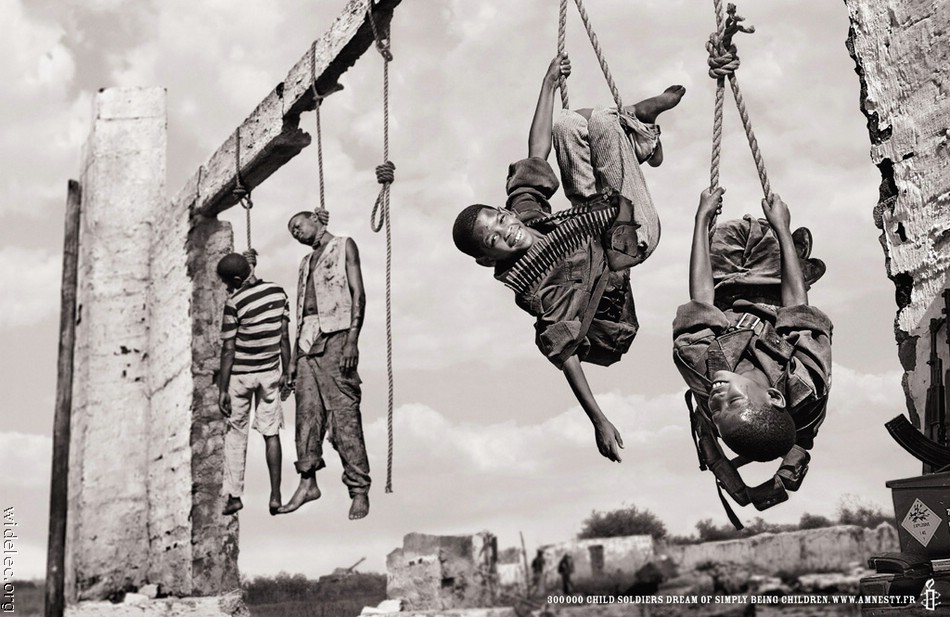
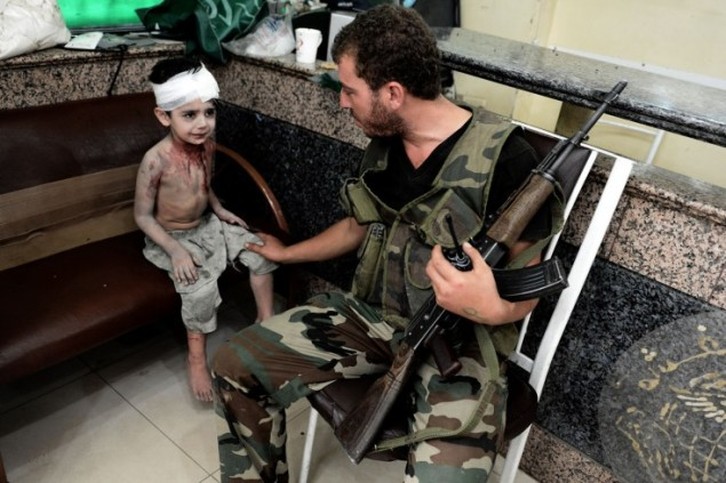
Χιλιάδες
παιδιά, ορισμένα εκ των οποίων μικρότερα των 10 ετών, είναι ενταγμένα
σε διάφορες παραστρατιωτικές ομάδες της Μέσης Ανατολής και της Βόρειας
Αφρικής, όπως διαπιστώθηκε κατά τη διάρκεια ειδικού συνεδρίου με
αντικείμενο τα παιδιά-στρατιώτες, στο Αμμάν της Ιορδανίας. Σύμφωνα
με διάφορες μαρτυρίες από τους συμμετέχοντες, μικρά παιδιά είναι
ενταγμένα σε διάφορες παραστρατιωτικές ομάδες σε χώρες όπως η Αλγερία, η
Αίγυπτος, το Ιράν, το Ιράκ, το Σουδάν, η Τουρκία και η Υεμένη, ενώ σε
ορισμένες χώρες τα παιδιά λαμβάνουν στρατιωτική εκπαίδευση από τα πρώτα
σχολικά τους βήματα. «Οι χώρες αυτών των περιοχών (Μέση Ανατολή
και Αφρική) γνωρίζουν από πρώτο χέρι τις πληγές που αφήνει στα παιδιά η
συμμετοχή τους σε ένοπλες διενέξεις…», δήλωσε ένας εκ των συντονιστών
της πρωτοβουλίας «Συμμαχία για να σταματήσει η χρησιμοποίηση παιδιών ως
στρατιώτες». Το μεγαλύτερο πρόβλημα, όπως διαπιστώθηκε στο
συνέδριο, εντοπίζεται στο Σουδάν, μια χώρα στην οποία χιλιάδες παιδιά
από 12 ετών και πάνω έχουν στρατολογηθεί τόσο από τις ένοπλες δυνάμεις
της χώρας όσο και από τις διάφορες ένοπλες ομάδες της αντιπολίτευσης,
στον μεταξύ τους πόλεμο.
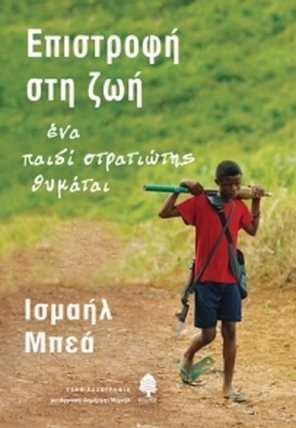
αυτοβιογραφικη μαρτυρια ανηλικου πολεμιστη
«Ο λόχος
μου ήταν η οικογένειά μου, το όπλο μου ήταν ο εγγυητής και προστάτης
μου, και ο κανόνας μου ήταν σκότωσε ή θα σκοτωθείς. Δεν ένοιωθα οίκτο
για κανέναν. Η παιδική μου ηλικία είχε χαθεί χωρίς να το ξέρω.» Ο
πόλεμος τον άγγιξε για πρώτη φορά στα δώδεκά του. Μέχρι τότε το μόνο
όπλο που είχε κρατήσει ήταν ένα ψεύτικο τουφέκι από μπαμπού. Δεν θυμάται πότε κράτησε καλάσνικοφ για πρώτη φορά. Δεν θυμάται πότε πυροβόλησε για τελευταία φορά. Ιανουάριος
του 1993. Ο εμφύλιος στη Σιέρα Λεόνε μαίνεται. Ο αντάρτες καταστρέφουν
τα πάντα στο πέρασμά τους. Εγκαταλελειμμένα χωριά, πυρπολημένα σπίτια,
σφαγές. Ο εθνικός στρατός στρατολογεί παιδιά στη μάχη εναντίον των
ανταρτών. Ένα μοναδικό χρονικό για την αθέατη βία του πολέμου.
Για τα παιδιά στρατιώτες της Αφρικής που χάνουν για πάντα την παιδική
τους ηλικία, παραδομένα στα όπλα, στα ναρκωτικά και στις πολεμικές
ταινίες.
Ο Ισμαήλ Μπεά στην πολυσυζητημένη, σοκαριστική αυτοβιογραφική του μαρτυρία για τον εμφύλιο πόλεμο στη Σιέρα Λεόνε.
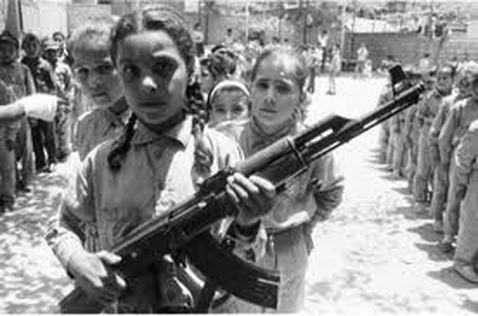
κοριτσια στην πρωτη γραμμη
Χιλιάδες
παιδιά υπηρετούν ως στρατιώτες σε ένοπλες συρράξεις σε όλο τον κόσμο.
Αυτά τα αγόρια και τα κορίτσια, καθώς μερικοί από την ηλικία των
8-ετών, συμμετέχουν σε κυβερνητικές δυνάμεις και ένοπλες ομάδες της
αντιπολίτευσης. Μπορούν να βρίσκονται στην πρώτη γραμμή, να
συμμετέχουν σε αποστολές αυτοκτονίας, και να ενεργήσουν ως κατάσκοποι,
αγγελιοφόροι, ή παρατηρητές. Τα κορίτσια εξαναγκάζονται σε σεξουαλική
δουλεία. Πολλοί έχουν απαχθεί ή προσλαμβάνονται με τη βία, ενώ άλλοι
έχουν ενταχθεί από απελπισία, πιστεύοντας ότι οι ένοπλες ομάδες
προσφέρουν καλύτερη ευκαιρία τους για επιβίωση. Πολλοί είναι αυτοί
βέβαια που δεν διστάζουν να "αρπάξουν" την ευκαιρία και να βάλλουν μέχρι
και κορίτσια στην πρώτη γραμμή,στον πόλεμο.Μάλιστα φαίνεται πως αυτή
είναι και η εύκολη λύση,αφού με καμία δυσκολία και αντίδραση από αυτά
αλλά και τις οικογένειές τους,τα απομακρύνουν από αυτές.Έχοντας λοιπόν
οι άνδρες μαζί τους τόσα άτομα γένους θηλυκού,βρίσκουν ευκαιρίες και
ικανοποιούν μέχρι και τις σεξουαλικές τους ανάγκες.
The underpinning theme of the 2016 INTEREST Conference
held in Yaoundé, Cameroon, 3–6 May 2016 was ending AIDS as a public
health threat by 2030. Focused primarily on HIV treatment, pathogenesis
and prevention research in resource-limited settings, the conference
attracted 369 active delegates from 34 countries, of which 22 were in
Africa. Presentations on treatment optimization, acquired drug
resistance, care of children and adolescents, laboratory monitoring and
diagnostics, implementation challenges, HIV prevention, key populations,
vaccine and cure, hepatitis C, mHealth, financing the HIV response and
emerging pathogens, were accompanied by oral, mini-oral and poster
presentations. Spirited plenary debates on the UNAIDS 90-90-90 treatment
cascade goal and on antiretroviral pre-exposure prophylaxis took place.
Joep Lange career guidance sessions and grantspersonship sessions
attracted early career researchers. At the closing ceremony, the Yaoundé
Declaration called on African governments; UNAIDS; development,
bilateral, and multilateral partners; and civil society to adopt urgent
and sustained approaches to end HIV by 2030.
Introduction
The goal to end AIDS as a public health threat by 2030 [1]
was the underpinning theme of the 10th International Workshop on HIV
Treatment, Pathogenesis, and Prevention Research in Resource-Limited
Settings (2016 INTEREST Conference) held in Yaoundé, Cameroon, 3–6 May
2016. The meeting attracted 369 active delegates from 34 countries of
which 22 were in Africa (Cameroon, South Africa, Nigeria, Cote D’Ivoire,
Kenya, Uganda, Zambia, Zimbabwe, Botswana, Ghana, Senegal, Tanzania,
Benin, Burkina Faso, Congo, Gabon, Guinea, Liberia, Malawi, Namibia,
Rwanda and Swaziland). Spirited plenary debates on the UNAIDS 90-90-90
(90-90-90 refers to the targets of 90% of people living with HIV knowing
their serostatus, 90% of those who know they are HIV-positive being on
antiretroviral treatment [ART] and 90% of those on ART achieving viral
suppression. This translates into 73% of all people living with HIV
being virally suppressed) treatment cascade goal for 2020 [2]
and on antiretroviral pre-exposure prophylaxis (PrEP) took place. There
were presentations on treatment optimization, acquired drug resistance,
care of children and adolescents, laboratory monitoring and
diagnostics, implementation challenges, HIV prevention, key populations,
vaccine and cure, hepatitis C, mHealth, financing the HIV response and
emerging pathogens [3].
In
addition to oral, mini-oral and poster presentations, early morning
Joep Lange research career guidance sessions saw mid-career and senior
investigators explain how they got started on a research career and give
advice on how to get funded, choose a mentor and get published.
Parallel research grantspersonship sessions were presented by ANRS
(France Recherche Nord & Sud Sidahepatites); Fogarty International
Center, US National Institutes of Health; and EDCTP (European &
Developing Countries Clinical Trials Partnership).
HIV in Cameroon
Cameroon’s
Minister of Public Health, André Mama Fouda, opened the conference. Dr
JB Elat, Permanent Secretary of the National AIDS Programme, presented
an overview of HIV in Cameroon. HIV prevalence in 2011 was 4.3%, with
urban populations and women disproportionately affected: 5.6% of women
versus 2.9% of men. Compared to the general population, men who have sex
with men (MSM) have 8–14× higher (24–44%), truck drivers have 5× higher
(16%) and female sex workers (FSW) have 6× higher (36%) HIV prevalence.
Clients of FSW account for 36% of new HIV infections annually. After
Cameroon’s ART programme began in 2000, HIV prevalence fell by 20%
between 2004 and 2011 from 5.5% to 4.3%. Prenatal consultations for
prevention of mother-to-child transmission (PMTCT) increased steadily
from 2009, with attendance reaching 74% in 2015. Between 2005 and 2015,
the number of people on ART increased 10-fold and approximately 7,000
children now receive ART. In 2015, 882,639 Cameroonians were tested for
HIV. Cameroon aims to increase access to HIV testing and treatment
services, reduce stigma, strengthen supply chains, tailor HIV prevention
for key populations and build civil society capacity. Poor retention in
care remains a weak link in Cameroon’s progress towards 90-90-90 [4].
Achieving 90-90-90
Passionate
debate presenting opposing viewpoints on 90-90-90 saw pessimists
emphasize factors preventing achievement of the Fast-Track Initiative
targets: insufficient resources (human, infrastructure, financial),
inability to reach all people living with HIV (PLHIV) and retain them in
care, risk of emerging drug resistance and international donor fatigue.
Optimists highlighted the 17 million PLHIV on ART globally,
opportunities to halt the HIV epidemic now and examples of countries
close to achieving 73% viral suppression targets. Although achieving
90-90-90 is judged desirable, during the debate more conference
participants became convinced the proposed time frame is too short.
The first 90: HIV testing
More
than 150 million HIV tests are conducted in low- and middle-income
countries annually and although the goal of diagnosing 90% of PLHIV is
achievable, testing must be performed with 100% accuracy because of the
profound consequences of misdiagnosis at both the individual and
population level [5].
Outreach programmes are necessary for marginalized, stigmatized, often
criminalized and hard to reach key populations. Community-based testing
can reach healthy people early in their infection and link them to care [6].
Identifying all HIV+ children and adolescents requires case-finding
approaches for chronic HIV survivors, intensified facility-based testing
and decentralized and simplified HIV testing at point of care [7].
The second 90: ART
The
World Health Organization recommends ART be offered immediately to
everyone diagnosed with HIV infection, regardless of their CD4+ T-cell count measuring immune status [8]. Globally, 17 million people (46% of PLHIV) are on ART [9].
Voluntary licensing is enabling generic companies to provide
antiretroviral (ARV) drugs in effective, well tolerated, and
quality-assured individual or combination formulations for 100–130 USD
per year. Voluntary licensing of drugs such as dolutegravir and
tenofovir alafenamide may reduce this cost to 60 USD/year; however, more
efficacy and safety data in pregnant women and HIV–TB-coinfected
patients are needed [10].
Robust supply chains are essential to prevent stock-outs and ensure
continuity of ART. Fulfilling high-income countries’ commitment to spend
0.7% of gross national income on overseas development assistance [11]
can assist resource-limited countries but increasing domestic
health-care funding in sub-Saharan Africa to reach the Abuja target of
15% of annual government expenditures being devoted to health will
reduce donor dependency and facilitate sustainable programmes [12].
Building on the global success of generic ART, generic versions of
drugs for tuberculosis, cancer and hepatitis B and C could facilitate
drug access for people in resource-limited settings around the world at
very affordable prices.
The third 90: viral suppression
Tracking
viral suppression requires rapid scale-up of viral load monitoring,
necessitating improved efficiencies in sample collection, transportation
and laboratory performance; timely transmission of results to clinics
and patients; and rapid appropriate action [13]. Treatment retention in Africa at 36 months is estimated at only 65% [14]. Poor adherence leads to drug resistance [15],
requiring effective interventions, including mHealth and group
delivery, to support retention in care and adherence. Innovations must
be anchored in a comprehensive understanding of the multiple barriers
facing people on ART, including adolescents who have important retention
and adherence challenges.
The WHO
recommends that ART scale-up be accompanied by high-quality HIV drug
resistance surveillance, achieved by investing in human and laboratory
resources, innovative and efficient technical approaches, robust supply
chains and quality assurance measures. Political and community
commitment is needed to overcome limited laboratory capacity in
sub-Saharan Africa and support studies identifying suitable ARV options.
These include the ultra-deep pyrosequencing work showing that protease
inhibitors and mara-viroc are likely to be effective in young
Cameroonian children (the author of this abstract received the Joep
Lange award for the top-scoring abstract by an African scientist at the 10th INTEREST Conference) [16], as are protease inhibitors in Ugandan children [17].
HIV prevention
More
than 10 million voluntary medical male circumcisions (VMMC) have been
performed, with high adult MC prevalence countries moving to establish
sustainable VMMC HIV prevention programmes focused on early infant and
early adolescent MC [18].
PrEP
with ARV drugs has achieved regulatory approval in South Africa and
Kenya, following WHO guidance recommending PrEP when HIV incidence is 3%
or more [8].
Follow-on studies and demonstration projects of oral PrEP among
serodiscordant couples and MSM have shown higher adherence than in trial
settings, possibly because people know that they are taking an
effective product [19].
Novel products and delivery options under investigation include
injectables that would be taken every 2 to 3 months, vaginal gel and
ring formulations, and monoclonal antibodies. PrEP works for anyone
experiencing a high risk of HIV exposure during a specific time of his
or her life. A debate on whether Africa was ready for PrEP persuaded
some who were sure it was ready to wonder whether regulatory,
logistical, equity and other issues had all been adequately addressed.
Importantly, PrEP implementation requires intensified investment in HIV
testing strategies across Africa, which would result in the increased
knowledge of serostatus that can improve entry into the 90-90-90
treatment cascade.
Vaccine and cure
The search for a vaccine, following the promising results of RV 144 [20],
includes active and passive approaches to HIV prevention.
Clade-specific trials in South Africa and elsewhere are part of the
pox-protein public-private partnership (P5) evaluating pox-protein
candidates. Hypothesis-generating Phase IIb trials are underway of
passive immunisation strategies involving monoclonal antibodies using
trivalent and tetravalent vectors to obtain broader coverage against HIV
[21].
Research to understand differences in viral reservoirs with
implications for cure strategies has found that Ugandans without HIV
infection have increased immune activation and lymph node pathology that
resembles early HIV infection among patients in Minnesota, USA [22].
If they acquire HIV in an environment where life-long exposure to
various pathogens already predisposes them to high levels of T-cell
activation, they may develop a larger HIV reservoir leading to
persistent immune activation, subsequent lymph node fibrosis and reduced
immune reconstitution. Pre-existing T-cell activation thus may account
for population differences in responsiveness to immune therapy
strategies, with fibrosis limiting diffusion of therapeutic agents into
lymph nodes where the virus replicates.
Key populations
Success
in bringing down HIV prevalence among sex workers in Rwanda, Burkina
Faso, Kenya and Namibia highlights data gaps on successful interventions
among men involved in sex work, regular partners of female sex workers
and girls under 18 years who receive money or goods in exchange for
sexual services. Exciting new developments include studies of PrEP use,
integration of HIV and sexual and reproductive health services, and use
of mobile technology, social media and biometric measures to assist in
studying mobile sex work populations. Striking data on the use of
heroin, tramadol and other opioids have led to the African Union Plan of
Action on Drug Control that recognizes the burden of HIV and hepatitis C
among people who inject drugs in Africa. Political barriers to holistic
harm reduction remain for illicit drugs and for alcohol, a psychoactive
substance with dependence-producing properties that has been strongly
linked to HIV risk in Africa and around the world [23].
MSM have high HIV risks and continue to be criminalized in many African
countries, making it difficult to reach them with services. In eight
African countries, between 25 and 65% of these men aged 18–19 years are
meeting male sexual partners online [24], suggesting that social media and mobile platforms could help increase their access to HIV prevention and treatment.
Emerging pathogens – lessons learned for and from HIV
The
Ebola epidemic of 2014–2015 and epidemics of re-emerging pathogens,
such as Zika and Lassa Fever, have shown that high-quality studies can
run alongside the outbreak response, but health-care systems must be
strengthened now before more epidemics occur. Designing and running
Ebola clinical trials proved challenging in Guinea, Liberia and Sierra
Leone. In Guinea, a ‘ring vaccination’ trial design was used to evaluate
a vaccine candidate, with real-time modifications to take account of
the rapidly changing epidemic and logistical issues [25].
The impact of favipiravir on Ebola virus disease was evaluated in a
single arm, proof-of-concept trial that found it well-tolerated but
could not draw firm conclusions about efficacy [26].
Ideally, outbreaks of emerging and re-emerging pathogens should be
anticipated and potential drugs and vaccines for them investigated on an
ongoing basis so that efficacy trials can be initiated quickly when an
outbreak occurs. Engaging stakeholders, including community
stakeholders, at all stages of a clinical trial contributes to robust
trial design, facilitates trial conduct by addressing rumours and
enhancing participant retention, and helps ensure ownership of the
results for action [27].
Addressing ethical issues is key to ensuring that studies are conducted
ethically, communities support them and post-trial legacies are assured
[28].
Robust public health infrastructure, appropriate legislation and
community involvement were key in containing an Ebola outbreak of 20
cases in Nigeria and subsequent health-care system investments have
upgraded disease surveillance, research infrastructure and treatment
facilities [29].
Conclusions
Although
ART coverage in sub-Saharan Africa increased from 24% in 2010 to 54% in
2015, reaching a regional total of 10.3 million people [9],
late diagnosis of HIV infection, loss to follow-up and poor ART
adherence contributed to 790,000 people dying of AIDS-related causes in
2014. New adult HIV infections remain a concern: 25% are adolescent
girls and young women and more than 20% are from key populations. An
estimated 25.5 million people are living with HIV in sub-Saharan Africa,
with women accounting for 56% [9]. There has been a 48% decline in new HIV infections among children in the 21 Global Plan priority countries [30], but 190,000 African children acquired HIV infection in 2014 [31].
The 10th INTEREST Conference
heard a call for leadership and activism among HIV investigators and
physicians to show global solidarity with PLHIV worldwide and to ensure
that resources are used effectively. Sub-Saharan Africa loses over 150
billion USD/year through illicit financial flows [32], corruption and money laundering [12].
This money could replace international donations and fund health care
throughout the continent. At the closing ceremony, the Yaoundé
Declaration [33]
(Additional file 1) was read out, calling on African governments;
UNAIDS; development, bilateral, and multilateral partners; and civil
society to adopt urgent and sustained approaches to end HIV by 2030 [34,35].
Acknowledgments
The
authors thank Wendy Smith (Wordsmiths International Ltd, Wells, UK) for
providing meeting notes that were used as background materials for
writing the manuscript. The INTEREST 2016 organizers
acknowledge the support of the Ministry of Public Health, Cameroon; the
National Institutes of Health and the Fogarty International Center, USA;
the ANRS (France Recherche Nord & Sud Sidahepatites); and the
following companies: Gilead Sciences, Janssen Pharmaceuticals, AbbVie,
ViiV Healthcare, Roche and Mylan.
All
12 authors reviewed previous drafts of the manuscript and approve its
contents. None of the authors have a conflict of interest, with the
exception of CABB of the company Virology Education that provided
logistical support for the conference.
References
1. Piot P, Abdool Karim SS, Hecht R, et al. Defeating AIDS–advancing global health. The Lancet. 2015;386:171–218. [PubMed] [Google Scholar]
3. [Accessed 30 March 2017];International Workshop on HIV Treatment, Pathogenesis, and Prevention Research in Resource-Limited Settings (INTEREST) Available from www.interestworkshop.org.
4. Fokam
J, Elat J-BN, Billong SC, et al. Monitoring HIV drug resistance early
warning indicators in Cameroon: a study following the revised World
Health Organization recommendations. PLOS ONE. 2015;10:e0129210.[PMC free article] [PubMed] [Google Scholar]
5. Marum
E. HIV testing strategies: how to reach 90% knowledge of serostatus
(including the role of self-testing): achieving the first ‘90’– and
doing it right. 10th INTEREST Conference; 4 May 2016; Yaounde, Cameroon.
[Accessed 30 March 2017]. Available from http://regist2.virology-education.com/2016/10INTEREST/17_Marum.pdf. [Google Scholar]
14. Rosen S, Fox MP. Retention in HIV care between testing and treatment in sub-Saharan Africa: a systematic review. PLoS Med. 2011;8:e1001056.[PMC free article] [PubMed] [Google Scholar]
16. Fokam
J, Bellocchi M, Armenia D, et al. Ultra-deep pyrosequencing of
paediatric HIV-1 drug resistance and coreceptor suggests possible
suitability of protease inhibitors and maraviroc at younger ages in
Cameroon. 10th INTEREST Conference; 3 May 2016; Yaoundé, Cameroon.
[Accessed 2 April 2017]. Available from http://regist2.virology-education.com/Abstractbook/2016_2.pdf. [Google Scholar]
17. Boerma
R, Kityo C, Boender T, et al. Favorable outcomes of pediatric
second-line protease inhibitor-based antiretroviral treatment in Uganda.
10th INTEREST Conference; 2 May 2016; Yaoundé Cameroon. [Accessed 2
April 2017]. Available from http://regist2.virology-education.com/Abstractbook/2016_2.pdf. [Google Scholar]
20. Rerks-Ngarm
S, Pitisuttithum P, Nitayaphan S, et al. Vaccination with ALVAC and
AIDSVAX to prevent HIV-1 infection in Thailand. N Engl J Med. 2009;361:2209–2220. [PubMed] [Google Scholar]
25. Henao-Restrepo
AM, Longini IM, Egger M, et al. Efficacy and effectiveness of an
rVSV-vectored vaccine expressing Ebola surface glycoprotein: interim
results from the Guinea ring vaccination cluster-randomised trial. The Lancet. 2015;386:857–66. [PubMed] [Google Scholar]
26. Sissoko
D, Laouenan C, Folkesson E, et al. Experimental treatment with
favipiravir for Ebola virus disease (the JIKI Trial): a historically
controlled, single-arm proof-of-concept trial in Guinea. PLOS Med. 2016;13:e1001967.[PMC free article] [PubMed] [Google Scholar]