Εμφάνιση αναρτήσεων με ετικέτα São Tomé e Príncipe. Εμφάνιση όλων των αναρτήσεων

Παρασκευή 31 Ιουλίου 2020

SAO TOME - Les Îles Chocolat

Quelque part au large de l'Afrique, il existe un archipel isolé sur lequel pousse un arbre au parfum exceptionnel : Des graines de son fruit, la cabosse, on en fait des aliments parmi les plus appréciés et les plus consommés au monde : le cacao et le chocolat. L'histoire du cacao est intimement lié aux îles de Sao Tomé et Principe qui forme dans le golfe de guinée le deuxième plus petit état africain, et c'est à Principe que vit un robinson crusoé qui bouscule aujourd'hui les goûts et les codes de la planète chocolat, Claudio Corallo. 

Reportage : Jérôme LAURENT, Yvon BODIN, Pauline PALLIER © France 3 THALASSA 2013


Voyage à Sao Tomé et Principe - Septembre 2019

Παρασκευή 18 Μαΐου 2018

Drug Trafficking in West Africa


Sustainable Development Under Threat From Drug Trafficking in West Africa


analysis
allAfrica
 
Drug trafficking is fast becoming the most serious problem in West Africa. The sub- region has seen an increase in drug trafficking, production and consumption which continues to ruin many lives.
There has also been an exponential increase in corruption and impunity which mainly favours drug barons in the region. This also has an adverse effect on citizens who possess or consume very little quantities of drugs.
As a whole, the proliferation of the drug trade in West Africa significantly undermines people's well being and possess a major road block to development efforts.
The yearly value of cocaine transiting through West Africa is estimated by the United Nations to be US$ 1.25 billion, which is higher than the national budgets of many West African countries including Liberia, Cape Verde , Sierra Leone, The Gambia, and Guinea-Bissau. This humongous amount which are direct proceeds of drug trafficking, production and consumption within the sub-region has a deadly effect on governance and sustainable development .
According to West Africa Commission Drugs (WACD) 2014 report, West Africa is not only a transit zone of drugs from Latin America to Europe. Also, local production of synthetic drugs such as, methamphetamine is increasingly being produced in West Africa for the Asian market. Furthermore, in some countries a strong protection economy for drug kingpins has emerged, allowing them to operate with impunity.
Organised crime syndicates exist at all levels of society in West Africa and pose a threat to good governance, peace and stability, economic growth and public health in West Africa, a region that has only recently emerged from decades of violent conflict. Drug trafficking is becoming a new threat for the "development" of West Africa.
Narcotics narratives are often portrayed as a security issue with a focus more on law enforcement through the criminal justice system without a deliberate link to development. The response to drug issues is similar in West Africa focusing on punishment with the aim of eradicating the supply of illegal drugs and having a "drugs free world" which can best be described as an illusion. The criminal justice response has failed.
According to statistics, despite the hundreds of billions of dollars spent in trying to eradicate illicit drugs, the industry is growing bigger than ever with a continuous growing number of drug users each day. From the United Nations Office on Drugs and Crime, World Drug Report 2015, it is estimated that a total of 246 million people, or 1 out of 20 people between the ages of 15 and 64 years, used an illicit drug in 2013. That represents an increase of 3 million over the previous year.
The current drug policy control approaches being practiced in West Africa and beyond is negatively affecting public health, economy, the rule of law, human rights, gender and social development.

Drugs and Public health

The primary objective of the international conventions is to protect the health and welfare of mankind. Unfortunately, in practice, the drug free illusion has led to so much focus on criminal justice, law enforcement, instead of public health and the protection of human rights.
In West Africa, the situation is becoming worst with public health being compromised with an increase prevalence of HIV among people who use drugs and lack of essential medicines for palliative care primarily for pain relief and the treatment of cancer patients. Statistics from UNODC's 2013 report on the world drug problem, states that the prevalence rate of cannabis use in West and Central Africa combined (12.4%) is higher than Africa and the global average, 7.5% and 3.9% respectively.
According to the Ghana's Minister of Foreign affairs during her statement at 2016 United General Assembly Specially Session (UNGASS) on drugs, " it is estimated that nearly 90% of cancer and AIDS patients in Ghana cannot be treated adequately on the current level of morphine supply". The current shortage of morphine in the Ghana hospitals has affected treatment given to the majority of cancer and AIDS patients.
The World Health Organization, UNODC, and UNAIDS have developed a 'comprehensive package' of harm reduction to reduce the risk of drug consumption related diseases such as HIV, hepatitis C, tuberculosis, overdose among others. These policy guidelines and programmes have been proven to be cost effective and have been endorsed by the African Union in its Common Africa Position (CAP) where AU called for the commitment to harm reduction programmes, including facilitating access to health care in prisons and promoting alternative non-custodial sentencing mechanisms for minor non-violent drug-related offences.
Unfortunately, in West Africa and Africa at large due to the repressive laws and related law enforcement policies and practices these programmes are yet to take full force. Currently, Senegal is the only country in West Africa implementing a harm reduction programme even though the laws are still very punitive. As a results less than 1% of people who inject drugs in Africa have little access to needle and syringe programmes or opioid substitution therapy
Unlike the visible presence of HIV retro-viral treatment available in the sub-region, hepatitis C remains a great threat in West Africa. The danger of hepatitis C can be seen in potentially serious health problems for those infected, with the possibility of liver failure, liver cancer, and premature death.
In West Africa when a drug user (who may be a problematic drug user (Addiction), as described by WHO as a chronic disease) is arrested, per the current regime, such a person has to be incarcerated if found guilty without given the opportunity to seek help for his or her problematic drug use. Over the years this approach of sending drug users to prison has only exacerbated their problem because the prisons settings are often characterized by overcrowding, inadequate ventilation and limited medical facilities for treatment, all of which contribute to the spread of diseases such as tuberculosis among prisoners. According to United Nations Office on Drugs and Crime, World Drug Report 2015 the incidence rates of tuberculosis in prisons could be 8-35 times higher than among the general population for some countries. Combined infections of HIV and tuberculosis are particularly serious, with each infection speeding up the progress of the other.

Drugs and the Economy

West African countries like their counterparts in the world tend to focus on eradicating the supply with little attention to the demand side. Policy makers have failed to appreciate that, demand drives supply. No matter the stringent methods adopted, drug users will always discover new ways of satisfying their cravings for drugs . An illustration of that is the balloon effect which was the cause of stringent measures put in place by the United States to impede drugs from Latina America to reach their coast. This led to the opening of new routes through West Africa.
West Africa is now a major hub in global drug trafficking. According to the UN, the yearly value of cocaine transiting through West Africa is estimated by the UN to be US$ 1.25 billion. For a region with a high rate of youth unemployment, this could lead to the implosion of social cohesion and an increase in crime.
In addition, this huge money can easily mount rebellion or terrorism to overthrow democratic elected government. For example, many analyses have been able to establish an interconnection between terrorist threat in the sub-region (precisely Mali) and drug trafficking.
Furthermore drug market encourages money laundering affecting the formal economy, and in turn discouraging investment in affected regions.
According to United Nations Development Programme Report June 2015, on 'Addressing the Development Dimensions of Drug Policy. "The existence of a large illicit sector in the economy can also distort economic data and, in turn, macroeconomic and structural analysis and policy making.

Drugs, Human Rights and Gender

Societal stigma makes drug users vulnerable to abuse either from law enforcement or related family and society as a whole. These violations include rape, arbitrary detention, unfair trial, torture, ill-treatment, lack of access to basic health care among others. Due to the harsh sentencing policy and fear of being arrested or reported, drug users are discouraged from seeking treatment and this exacerbates their situation.
Women, in particular, appear to face barriers to treatment. According to United Nations Office on Drugs and Crime, World Drug Report 2015 while one out of three drug users globally is a woman, only one out of five drug users in treatment is a woman. Women who inject drugs are often more vulnerable to HIV than their male counterparts. In Senegal HIV among Female Who Inject Drugs (21.1 percent) is three times higher than among Male Who Inject Drugs (7.5 per cent). In Nigeria HIV among Female Who Inject Drugs (21.0 per cent) is seven times higher than among Male Who Inject Drugs (3.1 per cent).
In addition, women who use drugs often fail to access harm reduction services - even when those are available - because of the high stigma associated with their use, and the lack of gender-sensitive services available to address their specific needs.

Links to Sustainable Development

Drug issues cannot be considered separately from a development paradigm.
The international drug control bodies, as well as West African countries, should shift their drug control approach and try as much as possible to embrace a holistic perspective of the issue in light of the debates that took place at and around the UNGASS on drugs in 2016, as well as the Sustainable Development Goals agreed upon in September 2015.
The measurement of success should not be about the number of people arrested or kilogram of drugs seized. The huge amount of money invested in law enforcement by West African government to operate prisons could be realigned to strengthen the health sector and fund development projects and programmes to address the drug problem.
There is a need to shift the objectives of drug policy away from process measures such as crop eradication statistics, arrest rates, seizures and imprisonment statistics. Governments need to explore and focus on solutions that promote public health, human rights and citizen engagement and participation. West African governments should integrate drug policy and human development in their development programs.

Leandre Banon is Capacity Development Programme Officer of the West Africa Civil Society Institute (WACSI).

Tráfico de drogas é o problema mais grave da África Ocidental


A Semana
16 Junho 2016


O tráfico de drogas está se tornando, rapidamente, o problema mais grave na África Ocidental. A sub-região tem visto um aumento no tráfico de drogas e na produção e consumo que continua a arruinar muitas vidas, lê-se numa reportagem publicada na revista All Africa, que denuncia ainda um aumento exponencial da corrupção e da impunidade que favorece principalmente os barões da droga na região. Tudo isso, prossegue, tem um efeito adverso sobre os cidadãos que possuem ou consomem muito pouco quantidades de drogas.


De acordo com o texto, como um todo, o tráfico de drogas na África Ocidental prejudica o bem-estar das pessoas e bloqueia os esforços de desenvolvimento dos países desta região. Este diz que o valor anual de cocaína que transita pela África Ocidental é estimado pela ONU em US $ 1,25 mil milhões, montante que supera os orçamentos de muitos países do Oeste Africano, incluindo da Libéria, Cabo Verde, Serra Leoa, Gâmbia e Guiné-Bissau. O montante, que provém das receitas do tráfico, da produção e do consumo de droga na região, tem um efeito letal sobre a governança e o desenvolvimento sustentável.
O relatório 2014 da Comissão de Combate às Drogas em África (WACD) revela que a África Ocidental não é apenas uma zona de trânsito de drogas da América Latina para a Europa. Há uma produção local de drogas sintéticas, tais como a metanfetamina que abastece o mercado asiático. Além disso, alguns países protegem os chefões do tráfico, permitindo-lhes operar com impunidade.
“Existem sindicatos do crime organizados que representam uma ameaça para a boa governação, a paz, a estabilidade, o crescimento económico e a saúde pública na África Ocidental, uma região que só recentemente emergiu de décadas de conflitos. O tráfico de drogas está se tornando uma nova ameaça para o "desenvolvimento" da África Ocidental”, diz Leandre Banon, do WACD.
Segundo as estatísticas, apesar dos milhões de dólares gastos na tentativa de erradicar as drogas ilícitas, esta indústria continua a crescer. E há cada vez mais usuários. O Relatório Mundial sobre Drogas 2015 do Escritório das Nações Unidas sobre Drogas e Crime estima que 246 milhões de pessoas, ou seja uma em cada 20 com idades de 15 e 64 anos, usou uma droga ilícita em 2013. Isso representa um aumento de três milhões em relação ao ano anterior.

Drogas e Saúde Pública

Segundo o All Africa, o principal objectivo das convenções internacionais é proteger a saúde e o bem-estar da humanidade. Mas, infelizmente, na prática, o combate a drogas teve maior enfoque na justiça criminal e na aplicação da lei, ao invés da saúde pública e da protecção dos direitos humanos.
Na África Ocidental, a situação é pior, com a saúde pública a ser comprometida por causa do aumento da prevalência do HIV entre usuários de drogas e falta de medicamentos essenciais para os cuidados paliativos, principalmente para o alívio da dor e tratamento de pacientes com câncer. As estatísticas do relatório do UNODC 2013 sobre o problema mundial da droga, indicam que a taxa de prevalência do consumo de cannabis na África Ocidental e Central combinadas (12,4%) é maior do que a média global, de 7,5% e 3,9%, respectivamente.
Algumas agências da ONU desenvolveram um programa para reduzir os riscos de doenças relacionadas com o consumo de drogas, tais como HIV, hepatite C, tuberculose, overdose, entre outros. Este foi adoptadp pela União Africana, que apelou para o compromisso de facilitar o acesso aos cuidados de saúde nas prisões e promover mecanismos alternativos de condenação não privativas de liberdade por delitos relacionados com drogas não-violentos menores.
Infelizmente, o Senegal é o único país que implementou este programa, apesar de as leis serem ainda muito punitivas. Como resultados menos de 1% das pessoas que injectam drogas na África têm acesso aos programas que disponibilizam agulhas e seringas gratuitas ou terapia de substituição de opiáceos. O texto realça que, ao longo dos anos, esta abordagem de enviar os usuários de drogas para a prisão só exacerbou o problema porque as configurações prisões, caracterizadas pela superlotação, ventilação inadequada e limitadas instalações médicas, contribuem para a propagação de doenças como a tuberculose entre os presos.

Drogas e a Economia

África Ocidental é hoje um importante pólo do tráfico global de drogas. Segundo a ONU, o valor anual de cocaína que transita pela África Ocidental é estimada em US $ 1,25 mil milhão. Para uma região com uma elevada taxa de desemprego, sobretudo entre os jovens, isso pode levar à um aumento da criminalidade. Este volume elevado de dinheiro pode ser igualmente canalizado para o financiamento do terrorismo ou para derrubar os governos eleitos democraticamente. Isso sem contar o branqueamento de capitais que o mercado de drogas incentiva, o que poderá afectar a economia formal e desencorajar o investimento.

Drogas, Direitos Humanos e Género

A estigma social torna os usuários de drogas vulneráveis ao abuso. As violações incluem estupro, prisão arbitrária, julgamento injusto, tortura, maus-tratos, falta de acesso a cuidados básicos de saúde, entre outros. Devido à política de condenação dura e ao medo de serem presos, os usuários de drogas são desencorajados a procurar tratamento e isso agrava a sua situação.
As mulheres enfrentam obstáculos ainda maior para aceder ao tratamento. De acordo com o Escritório das Nações Unidas sobre Drogas e Crime, um em cada três usuários de drogas é mulher. Entretanto, apenas um em cada cinco em tratamento é mulher. Diz ainda que as mulheres que injectam são mais vulneráveis ao HIV. No Senegal, por exemplo, a taxa de prevalência do HIV entre as mulheres é três vezes maior do que entre os homens. Na Nigéria, o número de mulheres com HIV é sete vezes maior do que os homens.

Ver reportagem completa no link: http://allafrica.com/stories/201606131704.html

Σάββατο 11 Νοεμβρίου 2017

African Agriculture


Plant life

Soil and climatic conditions throughout Africa determine not only agricultural practices, such as which crops can be grown, but also whether plant life is capable of sustaining livestock on the land and enabling fishing of the oceans.
Rainfall—the dominant influence on agricultural output—varies greatly among Africa’s fifty-six countries. Without irrigation, agriculture requires a reliable annual rainfall of more than 30 inches (75 centimeters). Portions of Africa have serious problems from lack of rainfall, such as increasing desertification and periods of drought.

Food output has declined, with per capita food production 10 percent less in the 1990’s than it was in the 1980’s. In most African countries, however, more than 50 percent, and often 80 percent, of the population works in agriculture, mostly subsistence agriculture. Large portions of the continent, such as Mali and the Sudan, have the potential of becoming granaries to much of the continent and producing considerable food exports.


Traditional African Agriculture
 
Traditionally, agriculture in Africa has been subsistence farming in small plots. It has been labor-intensive, relying upon family members. New land for farming was obtained by the slash-and-burn method (shifting cultivation). The trees in a forested area would be cut down and burned where they fell.

The ashes from the burned trees fertilized the soil. Bothmen andwomenworked at such farming. Slash-and-burn agriculture is common not only in Africa but also in tropical areas around the world. In areas of heavy rainfall, the rainswash out the nutrients from soil and burned trees in a period of two to three years.

The crops grown depend upon the region. In the very dry, yet habitable, parts of Africa—such as the Sudano-Sahelian region that stretches from Senegal and Mali in the west of Africa to the Sudan in the east—a key subsistence crop is green millet, a grain. Ground into a type of flour, it can be made into a bread-like substance.

In moister areas, traditional crops are root and tuber crops, such as yams and cassava. Cassava has an outer surface or skin that is poisonous, but it can be treated to remove the poison. The tuber then can be ground and used tomake a bread-like substance.Other important traditional crops are rice and corn, which were introduced by Europeans when they came to Africa.

Animal husbandry, or seminomadic herding, is another form of traditional agriculture. Problems that have arisen with this type of agriculture are the availability of water and grass or hay for cattle. Regions that are very moist, such as the Gulf of Guinea, which has rain forest, are not good for cattle because of the tsetse fly, which carries diseases such as sleeping sickness.


Crops

Rice field in Africa

The most widely grown crop is rice, which is grown on more than one-third of the irrigated crop area in Africa. Cultivated mostly in wetlands and valley bottoms, rice is the most common crop in the humid areas of the Gulf of Guinea and Eastern Africa. It is also grown on the plateaus of Madagascar.

In the northern and southern regions, rice represents only a small portion of the total crops under water management. Wheat and corn are cultivated and irrigated, mostly in Egypt, Morocco, South Africa, Sudan, and Somalia.

Vegetables, including root and tuber crops, are present in all regions and almost every country. Vegetables are grown on about 8 percent of the cultivated areas under water management. In Algeria, Mauritania, Kenya, Burundi, and Rwanda, they are the most widespread crops under water management.

Arboriculture (growing of fruit trees), which represents 5 percent of the total irrigated crops, is concentrated in the northern region and consists mostly of citrus fruits. Commercial crops (for cash and export) are grown mostly in the Sudan and in the countries of the southern region and consist mostly of cotton and oilseeds.

Other commercial crops in Africa are sugarcane, coffee, cocoa, oil and date palm, bananas, tobacco, and cut flowers. Sugarcane is grown in all countries except in the northern region. The other commercial crops are concentrated in a few countries.

North Africa


Olives market in Morocco

In Morocco, Algeria, Tunisia, Libya, and Egypt, the region’s agricultural resources are limited by its dry climate. Its products are those typical of the Mediterranean, steppe, and desert regions: wheat, barley, olives, grapes, citrus fruits, some vegetables, dates, sheep, and goats.

Agriculture employs less than 20 percent of the working population in Libya and as much as 55 percent in Egypt. From about the middle of the twentieth century, North Africa’s production failed to keep pace with its population growth and remained susceptible to large annual fluctuations.

Cropland occupies about 33 percent of Tunisia but less than 3 percent of Algeria, Egypt, and Libya. Some export crops, such as citrus fruits, tobacco, and cotton, have suffered from strong international competition.

The northern region is not a major contributor to the continent’s fish catch. Morocco, however, with its cool, plankton-rich Atlantic waters and access to the Mediterranean Sea, is one of the world’s largest fish producers.


Sudano-Sahelian Region

This region comprises Mauritania, the western Sahara, Senegal, Gambia, Mali, Burkina-Faso, Niger, Chad, and the Sudan. Because of the region’s extreme dryness, mostly subsistence farming and seminomadic herding are practiced. Millet is the primary crop.
In the late twentieth century, this region was devastated by long droughts that caused famine and starvation. Mali and the Sudan have the Niger and Nile Rivers flowing through them. These great rivers provide plenty of water for irrigation of fields.

During the rainy season in Mali—typically June through September—the Niger River widens into a great, extensive floodplain. This area is good for the growing of rice. Similarly, in the Sudan the Blue and White Niles meet at Khartoum to form the Nile River.


Gulf of Guinea


This region comprises Guinea-Bissau, Cape Verde, Guinea, Liberia, Sierra Leone, Côte d’Ivoire, Togo, Ghana, Benin, and Nigeria. With the exception of Nigeria, agriculture there is dominated by rice cultivation. The percentage of total land area that is under cultivation ranges from 60 percent in Liberia to just 9 percent in Sierra Leone.

The total cultivable area of Ghana is 39,000 square miles (100,000 square kilometers), or 42 percent of its total land area. Only 4.8 percent of the total land area was under cultivation at the end of the twentieth century. Much of the cultivation is subsistence farming of yams and other crops.

Ghana’s efforts in agriculture have been hampered by droughts. Additional problems are that organic matter has been leached out of the soils by heavy rainfall and that increasing deforestation has led to additional erosion. This is the situation in much of the Gulf of Guinea and the central regions.

About half of Nigeria’s available land is under cultivation. Increasing rainfall from the semiarid north to the tropically forested south allows for great crop diversity. Principal food crops are corn, millet, yams, sorghum, cassava, rice, potatoes, and vegetables.

Nigeria was the world’s fourth-largest exporter of cocoa beans in 1990-1991, accounting for about 7.1 percent of world trade in this commodity. However, Nigeria’s share of the world cocoa market has been substantially reduced because of aging trees, low prices, black pod disease, smuggling, and labor shortages.

Central Region

This region comprises the Central African Republic, Cameroon, Congo-Brazzaville, Congo-Kinshasa, Gabon, Equatorial Guinea, Burundi, Rwanda, and São Tomé and Príncipe. Cameroon has 14.7 million acres of arable land.

In 1997, 55,000 tons of rice were produced, but the country imported 124,000 tons in 1995. In the central region, the percentage of arable land ranges from 0.4 percent for the Congo-Brazzaville to 47 percent for Rwanda.

Cassava is harvested in Congo-Brazzaville, Congo-Kinshasa, Equatorial Guinea, and Gabon. Corn is harvested in Congo-Brazzaville, Congo-Kinshasa, and Burundi. In Rwanda, 17 percent of the harvested land is used to grow sweet potatoes. Agriculture is not important in the economy of São Tomé and Príncipe.

Eastern Region

Tobacco plantation

This region comprises Eritrea, Djibouti, Ethiopia, Somalia, Kenya, Uganda, and Tanzania. Agriculture employs about 80 percent of the labor force in Uganda and Ethiopia. Approximately 2.5 million small farms dominate agriculture in both countries.

About 84 percent of Uganda’s land is suitable for agriculture—a high percentage compared to the majority of African countries, such as Ethiopia with only 12 percent. Food crops account for about 74 percent of agricultural production.

Only one-third is marketed; the rest is for home consumption. In four years out of five, the minimum needed rainfall may be expected in 78 percent of Uganda but in only 15 percent of Kenya. Somalia and Ethiopia receive almost none of the needed minimum.

Tanzania has almost four million farms. Traditional export crops include coffee, cotton, cashew nuts, tobacco, and tea. Major staple foods (corn, rice, and wheat) are exported in times of surplus.

Tanzania’s climatic growing conditions are favorable for the production of a wide range of fruits, vegetables, and flowers. Drought-resistant crops (sorghum, millet, and cassava) and other substaples such as onions, Irish potatoes, sweet potatoes, bananas, and plantains are also produced.

Areas that have 20-30 inches (50-75 centimeters) of rainfall per year rely on a mixture of agriculture and livestock herding. Regions with a smaller annual rainfall or a long dry season can support only drought-resistant crops such as sorghum, millet, and cassava. Over large areas of eastern Africa, rainfall is inadequate for crop cultivation.

The whole of Somalia and 70 percent of Kenya receive less than 20 inches (50 centimeters) of rain four years out of five. In these areas, the only feasible use of land is for raising livestock. Agriculture is not an important factor in the economies of Eritrea and Djibouti.

Southern Region

This region comprises Angola, Namibia, Zambia, Zimbabwe, Malawi, Mozambique, Botswana, Lesotho, Swaziland, and South Africa. The arable percentage of the total land area ranges from 14 percent in Malawi to just 1 percent in Namibia. With the exception of Mozambique, where cassava predominates, corn is the major crop in the countries in this region.

About 13 percent of South Africa’s land area can be used for crop production. Rainfall varies across the country, and varied climatic zones and terrains enable the production of almost any kind of crop.

The largest area of farmland is planted with corn, followed by wheat, then oats, sugarcane, and sunflowers. The nation is well known for the high quality of its fruits, such as apples and citrus.

Agriculture is the predominant economic activity in Zimbabwe, accounting for 40 percent of total export earnings—about 22 percent of the total economy—and employing more than 60 percent of the country’s labor force.

The main export crops are tobacco, cotton, and oilseeds. Zimbabwe is usually self-sufficient in food production. Its main food crops are corn, soybeans, oilseeds, fruits and vegetables, and sugar.

Mozambique’s agriculture has been badly hindered by civil war. However, the country has considerable potential for irrigation due to the Zambezi and Limpopo Rivers. The irrigation potential is estimated to be 7.5 million acres. In the 1990’s, only 110,000 acres were irrigated, growing rice, sugarcane, corn, and citrus.

Agriculture and livestock production employ about 62 percent of Botswana’s labor force. Most of the country has semidesert conditions with erratic rainfall and poor soil conditions, making it more suitable to grazing than to crop production. The principal food crops are sorghum and corn.

Namibia’s cultivated area is only 506,000 acres—only 0.8 percent of the cultivable area. Agriculture makes up approximately 10 percent of the economy but employs more than 80 percent of the population. The major irrigated crops are corn, wheat, and cotton.

Indian Ocean Islands

Cassava plantation

This region comprises Madagascar, Mauritius, the Comoros, and the Seychelles. During the 1990’s an estimated 8.7 million people lived in the rural areas, 65 percent of whom lived at the subsistence level.
Only 5.2 percent of Madagascar’s total land area (7.4 million acres) was under cultivation. Of the total land area, 50.7 percent supported livestock production, while 16 percent (1.2 million acres) of the land under cultivation was irrigated.

Cassava, planted almost everywhere on the island, is grown as well as corn and sweet potatoes, with smaller quantities of cotton, bananas, and cloves. The fisheries sector, especially the export of shrimp, has been the most rapidly growing area of the agricultural economy in the Indian Ocean Islands region.

Mauritius has 30,000 acres of sugarcane plantations that have had one of the highest sugarcane and sugar yields in the world. The Seychelles have a total land area of only 72 squaremiles (187 square kilometers), of which only 3,000 acres are cultivated.

This 3 percent of the land area accounts for only 4 percent of the island nation’s economy. The Comoros’ agriculture is heavily weighted toward rice, the staple food of the populace.


Note of our blog: please, see also our tag Cocoa child slavery.

Κυριακή 20 Δεκεμβρίου 2015

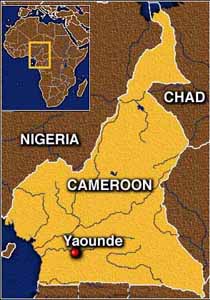
The Orthodox Church in Cameroon


The Holy Archdiocese of Cameroon includes the nations of Cameroon, Chad, Central African Republic, Equatorial Guinea, and the Islands of St. Thomas and Principe.

 
Orthodoxwiki (the map from Mathematicians from the Cameroon)

Cameroon, officially the Republic of Cameroon, is a country in West Africa. It is bordered by Chad on the northeast, Central African Republic on the east, and the Nigeria and Atlantic Ocean on the west and Equatorial Guinea, Gabon, the Republic of the Congo on the south. Orthodox Christianity came to Cameroon in the latter part of the twentieth century.
While non-Orthodox Christian missionaries in the centuries after the Portuguese reached the area of west Africa during the past several centuries, an Orthodox Christian presence was brought to Cameroon only in the twentieth century by Greek merchants and traders in 1951. These immigrants established churches that served the immigrant communities. In the 1980s, a missionary awaking developed under the lead of the Church of Alexandria to bring Orthodox Christianity to the indigenous populations of Sub-Saharan Africa.
The Archdiocese of Cameroon began as part of the Metropolis of Accra and West Africa which was established on January 23, 1959. The Archdiocese is under the jurisdiction of the Church of Alexandria. 

Archdiocese of Cameroon

The Holy Archdiocese of Cameroon is a diocese under the jurisdiction of the Greek Orthodox Patriarchate of Alexandria and All Africa. Its territory includes the parishes and missions located in the nations of Cameroon, Chad, Central African Republic, Gabon [now Diocese of Brazzaville and Gabon], Equatorial Guinea, and the Islands of St. Thomas and Principe.
The Archdiocese of Cameroon began as part of the Metropolis of Accra and West Africa which was established on January 23, 1959. On October 7, 2010, jurisdiction over the nation of Gabon was transferred to the new Diocese of Brazzaville and Gabon by a decree of the Patriarchate of Alexandria.

Ruling Bishops
Source
External link

Photo from the article Speaking for Christ in Africa

DETAILS REGARDING THE ORTHODOX MISSION IN THE CAMEROON
 

Orthodox Mission

Thirteen churches, two missionary centres, eighteen boreholes for drinking water, three field clinics, three schools, are just a few of the examples of the Greek contribution to the people of them Cameroon. Other works of the Orthodox Church follow, that support the people of the area: distribution of food during difficult times, 300 scholarships per year to poor pupils, distribution of stationey at regular intervals, as well as clothing and shoes and medical assistance by groups of doctors, informative talks on basic health issues especially regarding the plague of Africans, AIDS.

The role of the Greek missionary societies in this great effort is significant, as for example, through the International Development Co-operation Service of the Ministry of Foreign Affairs or other NGO’s.

The history of the missions of Northern Cameroon begins 34 years ago as it began to be systematically organized in1975 by the late Metropolitan Irenaios of Accra. This same Bishop, who lost his life together with Patriarch Petros in the flight deisaster of 2004, ordained the first priests in the Northern Cameroon , while the few Greeks of the area contributed to the building of the first churches. The example of the Efstratios Repanis family from Mytilene is noteworthy, who built a large church to St Efstratios in Saar in South Chad (it belongs to the spiritual jurisdiction of the Metropolis of the Cameroon). There are still today great donors and benefactors, as Mr Anestis Arnopoulos from the seaside city of Douala in Cameroon , who has built the large church of St John the Baptist in the Banamberi area.


Photo from here


His Beatitude the Patriarch of Alexandria Theodoros struggle for the development of missions in this difficult to access area was also great, from his time as Metropolitan of Cameroon (1997-2002). He visited Northern Cameroon hundreds of times, seeing to the building of a large missionary centre, three churches, a school and many field clinics. He also saw to the drilling of boreholes so that the locals could enjoy water as something which is lacking in this area, where the temperatures often surpass 45˚ C and things become more difficult during the six-month drought period (November to April).

HIS BEATITUDE ANNOUNCES THE BUILDING OF ANOTHER NEW SCHOOL IN NORTHERN CAMEROON – END OF HIS OFFICIAL VISIT

His Beatitude Theodoros II, Pope and Patriarch of Alexandria and All Africa, announced the creation of a new school for the children of Touloum in Northern Cameroon, following his recent visits to schools where the children of poor families in Northern Cameroon on the border with Chad are educated.

The school will be the 4th in line organized by the Holy Metropolis of the Cameroon and will be built with financial support from Greek Missionary Societies. The already existing schools serve 600 children each.

Also, on 21st February 2009, His Beatitude visited the Central High School in Datcheka in Northern Cameroon, distributed stationery and addresses 2,400 young people, announcing that the Holy Metropolis of the Cameroon will be given scholarships to the first ten pupils accepted at the universities of the Cameroon and promised to send them educational material in French. "Education is the hope of the Cameroon", said His Beatitude, accompanied by His Eminence Gregory of the Cameroon , who was fervently welcomed by all the officials of the country. Also, all the media covered interviews regarding his official visit.

On returning to the capital Yaoundé on 23rd February 2009, the Venerable Primate of the ancient Patriarchate visited the Parish Community of St Eleftherios in Galvak, 90 kilometres from the capital, where he was very warmly received. During his visit His Beatitude expressed his satisfaction for the creation of three classes in the local school, financed by the "Bridge of Love" Society in Crete, and inaugurated three new classrooms. He also accepted the request of the Mayor of the area to contribute in the immediate future to the creation of an agricultural school on a piece of land to be donated by the local authority.

He then congratulated His Eminence Gregory, Metropolitan of the Cameroon on the successful missionary work undertaken in the area and generally on the fruitful efforts of the local Church in this African area.

His Beatitude completed his visit to the Cameroon on 23rd February 2009 and returns to his Patriarchal See via Nairobi on 24th February. 


From the article Speaking for Christ in Africa

Orthodox Easter in Cameroon

A very interesting new video just posted to You Tube shows Pascha (Easter) in some Orthodox parishes in Cameroon in Central Africa. The video begins with Good Friday services and Baptisms in Yaounde (the capital) with snippets from the Midnight Pascha liturgy starting at 11:08 minutes.
Of particular note are some of the parish celebrations in small cities away from the capital. For example, Liturgy in the small city of Datcheka in Northern Cameroun is shown starting about 32:00 minutes. Another to watch is the visit to the parish in Touilale starting at 1:00:28 minutes. While recognizable in many respects, one can also see some inculturation. Liturgy is in the local language, the Bishop gives his sermon in French (official language of the country) and it’s translated into the local tongue.
This is part of the mission work of the Greek Orthodox Patriarchate of Alexandria which also includes the operation of schools for children in that country.


News & articles from the Orthodox Church in Cameroon see here & here.

See also

Glimpses of a journey across Cameroon
 

Κυριακή 20 Σεπτεμβρίου 2015

A Liturgia Ortodoxa: "O Céu na Terra"


Santa Igreja Ortodoxa dos Arcanjos, Kinshasa (daqui)

Orthodox Mozambique


«A Igreja é o Céu na terra
no qual o Deus celeste habita e se move.»
(Santo Germanus, Patriarca de Constantinopla,
733).

Doutrina e liturgia

Há uma história na Russian Primary Chronicle de como Vladimir, príncipe de Kiev, enquanto ainda pagão, desejou conhecer qual era a Religião verdadeira, e por isso mandou seus seguidores visitar vários paises do mundo.

Eles foram primeiro para os Búlgaros Muçulmanos do Volga mas observando que eles quando oravam olhavam esgazeados em torno de si como se estivessem possuídos, os Russos continuaram sua viagem insatisfeitos. "Não há alegria entre eles," eles reportaram a Vladimir, mas muitas lamentações e um forte cheiro; e não há nada de bom em seu sistema." Viajando em seguida para Alemanha e Roma, eles acharam a louvação mais satisfatória, mas reclamaram que lá também não existia beleza. Finalmente eles viajaram para Constantinopla, e lá finalmente, quando eles assistiram a Divina Liturgia na Grande Igreja de Santa , eles descobriram o que eles desejavam. "Nós não sabemos se nós estávamos no céu ou na terra, pois certamente não há tal esplendor e beleza em nenhum lugar da terra. Nós não podemos descreve-la para o Senhor: Só sabemos isso, que Deus habita lá entre os homens, e seus ofícios ultrapassam a louvação de todos os outros lugares. Nós não podemos esquecer aquela beleza." 


Todos os santos da Rússia (daqui)
 
Nessa história podem ser vistos vários aspectos característicos do Cristianismo Ortodoxo. Há primeiro a ênfase sobre a divina beleza: não podemos esquecer aquela beleza. Tem parecido a muitos que o dom peculiar dos povos Ortodoxos — e especialmente Bizâncio e Rússia — é esse poder de perceber a beleza do mundo espiritual, e exprimir essa beleza em sua louvação.

Em segundo lugar é característico aquilo que os Russos devem ter dito: Nós não sabíamos se estávamos no céu ou na terra. Louvação, para a Igreja Ortodoxa, é nada mais do que "o céu na terra." A Sagrada Liturgia é algo que abraça dois mundos de uma vez, pois em ambos, no céu e na terra a Liturgia é uma e a mesma — um altar, um sacrifício, uma presença. Em todos os lugares de louvação, ainda que humilde em sua aparência exterior, quando os fiéis se juntam para celebrar a Eucaristia, eles são levados para cima para os "lugares celestes"; em todo lugar de louvação quando o Santo Sacrifício é oferecido, não somente a congregação local está presente, mas a Igreja Universal — os Santos, Os Anjos, a Mãe de Deus e o próprio Cristo. "Agora os poderes celestes celebram invisivelmente conosco" (palavras cantadas na Grande entrada da Liturgia dos Pré-Santificados) Isso nós sabemos, que Deus habita lá entre os homens.

Os Ortodoxos, inspirados por essa visão do "Céu na Terra" empenharam-se em fazer da sua louvação em esplendor e beleza externos, um Ícone da Grande Liturgia no Céu. No ano 642, o pessoal da Igreja de Santa era composto de 80 padres, 150 diáconos, 40 diaconisas, 70 subdiáconos, 160 leitores, 25 cantores e 100 guardadores das portas: Isso dá uma pálida idéia da magnitude do ofício que os enviados do Príncipe Vladimir assistiram. Mas muitos que experimentaram a louvação ortodoxa nos mais variados ambientes sentiram, não menos que os Russos de Kiev, um sentimento da presença de Deus entre os homens. Viremos, por exemplo da Russian Primary Chronicle para a carta de uma mulher inglesa escrita em 1935:

«Esta manhã foi tão esquisita. Uma sala muito suja e sórdida de uma missão presbiteriana construída sobre uma garagem, onde aos russos é permitido celebrar quinzenalmente a Liturgia. Uma iconostase improvisada e removível montada com material de palco e alguns poucos ícones modernos. Um chão sujo para se ajoelhar e um lambri ao longo da parede... E nesse lugar dois soberbos padres velhos, um diácono, nuvens de incenso e, na Anáfora, uma impressionante impressão sobrenatural.» (The Letters of Evelyn Underhill, pg. 2.18)
Existe ainda uma terceira característica que a história dos enviados do príncipe Vladimir ilustra. Quando eles quiseram descobrir a verdadeira fé, os Russos não perguntaram acerca de regras morais nem demandaram uma razoável apresentação da doutrina, mas eles observaram as diferentes nações em oração. A aproximação Ortodoxa da religião é fundamentalmente uma aproximação litúrgica, que compreende a doutrina no contexto de louvação divina; não é coincidência que a palavra Ortodoxia signifique tanto crença correta quanto louvação correta, pois as duas coisas são inseparáveis. Foi dito corretamente dos Bizantinos: "Com eles dogma não é só um sistema intelectual apreendido pelo clero e exposto aos leigos, mas um campo de visão no qual todas as coisas na terra são vistas em sua relação com as coisas no céu, primeiramente e principalmente através da celebração Litúrgica." (G. Every, The Bizantine Patriarchate, primeira edição, pg.9). Nas palavras de Georges Florovsky: "Cristianismo é uma religião litúrgica. A Igreja é antes de tudo uma comunidade de louvação. Louvação vem antes, doutrina e disciplina depois." (The Elements of Liturgy in the Orthodox Catholic Church, no periódico One Church, Vol.13, New York, 1959, nrs. 1-2, pg.24). Aqueles que querem conhecer sobre Ortodoxia não devem tanto ler livros como seguir o exemplo da comitiva de Vladimir e assistir a Liturgia. Como Felipe disse para Natanael: "Vem, e vê" (Jo. 1:46).

Sagrada Comunhão no Quênia (foto daqui)
 
Porque eles se aproximam da Religião desse modo litúrgico, os Ortodoxos freqüentemente atribuem a pontos de detalhe do ritual uma importância que deixa atônitos os Cristãos ocidentais. Mas uma vez que se tenha entendido a posição central da louvação na vida da Ortodoxia, um incidente como o do cisma dos Velhos Crentes não mais parecerá inteiramente ininteligível: se louvação é a fé em ação, então modificações na Liturgia não podem mais serem olhadas superficialmente. É típico que um escritor Russo do século quinze, quando atacando o Concílio de Florença, tenha encontrado falhas nos latinos, não em erros doutrinais, mas pelo seu comportamento na louvação: "O que vos vistes de valor entre os latinos? Eles não sabem nem como venerar a Igreja de Deus. Eles elevam suas vozes como tolos, e o seu canto é um lamurio discordante. Eles não têm idéia de beleza e reverência na louvação, pois eles tocam trombones, assopram cornetas, usam órgãos, elevam suas mãos, batem os pés e fazem muitas outras coisas irreverentes e desordenadas que trazem alegria para o diabo." (Citado em N. Szernov, Moscow the Third Rome, pg.37; Eu cito essa passagem, simplesmente como um exemplo da aproximação litúrgica da Liturgia, sem necessariamente endossar os comentários críticos sobre a louvação ocidental, que ela contém!).

A Ortodoxia, vê o homem acima de tudo como uma criatura litúrgica que é mais verdadeiramente ele próprio quando ele glorifica Deus, e que acha sua perfeição e se completa quando em louvação. Na Sagrada Liturgia que expressa sua fé, o povo Ortodoxo despejou sua completa experiência religiosa. Foi a Liturgia que inspirou sua melhor poesia, arte, e música. Entre os Ortodoxos, a Liturgia nunca tornou-se a preservadora dos instruídos e do clero, como ela tendeu a ser no ocidente medieval, mas ela manteve-se popular — a posse comum de todo o povo cristão: "O Ortodoxo normal fica louvador, por familiaridade desde a tenra infância, sente-se inteiramente em seu lar na Igreja, inteiramente participante nas partes audíveis da Liturgia, e toma parte com inconsciente e não estudada facilidade nas ações do rito, numa extensão só compartilhada pelos hiper-devotos e de mentalidade eclesiástica no ocidente" (Austin Oacley, The Orthodox Liturgy, Londres, 1958, pg.12).

No dias negros de sua história — sob os mongóis, os turcos e os comunistas — foi para a Sagrada Liturgia que os povos Ortodoxos sempre se voltaram buscando inspiração e esperança nova; e eles não se voltaram em vão.

O arranjo exterior dos Ofícios: O Sacerdote e os fiéis

O padrão básico de ofícios é o mesmo na Ortodoxia que o da Igreja Católica Romana: Há, primeiro, A Sagrada Liturgia (A Eucaristia ou Missa); secundariamente, o Ofício Divino (i.e. os dois principais ofícios de Matinas e Vésperas junto com as seis "horas menores" de Noturnas, Primeira, Tércia, Sexta, Nona e Completas; na Igreja Romana o oficio de Noturnas é uma parte da Matinas, mas no Rito Bizantino Noturnas é um ofício separado. A Matinas Bizantina é equivalente a Matinas e Laudes no Rito Romano); e por fim, os Ofícios Ocasionais — i.e. Ofícios indicados para ocasiões especiais, tais como Batismo, Casamento, Recepção Monástica, Coroação Real, Consagração de uma Igreja, Sepultamento dos Mortos (Em adição a esses, a Igreja Ortodoxa faz uso de uma grande variedade de bênçãos menores).

Enquanto em muitas igrejas paroquiais anglicanas e em quase todas Igrejas paroquiais Romanas, a Eucaristia é celebrada diariamente, na Igreja Ortodoxa de hoje a Liturgia diária não é usual a não ser em catedrais e grandes Mosteiros; numa Igreja Paroquial normal é celebrada aos Domingos e festas. Mas na Rússia em muitas paróquias de cidades,o Ofício Divino é recitado diariamente em Mosteiros, grandes e pequenos, e em algumas catedrais; também em muitas das paróquias de cidades na Rússia. Mas em uma Igreja Ortodoxa Paroquial é cantado nos fins de semana e festas. As Igrejas Gregas mantêm vésperas aos sábados à noite, e Matinas no Domingo de manhã antes da Liturgia; nas Igrejas Russas a Matinas é usualmente "antecipada" e cantada imediatamente após vésperas aos sábados à noite, de maneira que Vésperas e Matinas, seguidas de Primeira hora, junto constituem o que é chamado de "Ofício de Vigília" ou "Vigília de Toda Noite." Assim, enquanto Cristãos ocidentais, se celebram no início da noite, tendem a fazer isso no Domingo, os Cristãos ortodoxos celebram ao anoitecer de sábados. 


Liturgia ortodoxa na Guatemala (daqui)

Em seus ofícios a Igreja Ortodoxa usa a Língua do povo: Árabe em Antioquia, Finlandês em Helsinque, Japonês em Tókio, Inglês (quando solicitado) em Nova York. Uma das primeiras tarefas dos missionários Ortodoxos — de Cirilo e Metódio no século nove, a Inocente Veniaminou e Nicolau Kassatkin no século dezenove — foi sempre traduzir os livros de ofícios nas línguas nativas. Na prática, no entanto, existem exceções parciais a esse princípio geral de ser usado o vernacular: As Igrejas de língua Grega usam, não o grego moderno, mas o Grego do Novo Testamento e dos tempos Bizantinos, enquanto a Igreja Russa ainda usa as traduções do século nove em eslavônico de Igreja. No entanto em ambos os casos as diferenças entre a linguagem litúrgica e o vernáculo contemporâneo não é tão grande a ponto de tornar os ofícios ininteligíveis para a congregação. Em 1906 muitos Bispos Russos de fato recomendaram que o eslavônico fosse substituído mais ou menos generalizadamente pelo Russo moderno, mas a revolução Bolchevik ocorreu antes que esse esquema fosse implantado de fato.

Na Igreja Ortodoxa hoje, como na Igreja do início, todos os ofícios são cantados. Não existe na Ortodoxia o equivalente à Católica Romana "Low Mass" (O equivalente à "Low Mass" Católico-Romana) ou à Anglicana "Said Mass" (Missa que é falada, não cantada pelo celebrante que é assistido por um auxiliar e que é muito menos cerimonial que a High Klass, não se usando nem música nem coro.) Em todas as liturgias, assim como em todas Matinas e Vésperas; é usado incenso e o ofício é cantado, ainda que não tenha coro ou congregação, mas só o Padre e um só leitor. Na música de sua Igreja os Ortodoxos de língua Grega continuam a usar o antigo canto Monotônico Bizantino com seus oito "Tons." Esse canto monotônico os missionários Bizantinos levaram consigo para as terras eslavas, mas com os séculos ele se tornou extensivamente modificado, e as várias Igrejas eslavas cada qual desenvolveu seu estilo próprio e musica eclesiástica tradicional. Dessas tradições as musicas eclesiásticas Russas são as mais conhecidas e as mais atrativas para ouvidos ocidentais; muitos consideram a música Russa a melhor dentro de toda Cristandade, e tanto na União Soviética quanto na Igreja Russa emigrada existem corais mui justamente celebrados. Até muito recentemente todos os cantos na Igreja Russa eram normalmente feitos pelo coral; hoje um pequeno porém crescente número de paróquias na Grécia, Rússia, Romênia e na Diáspora estão começando a reviver o canto congregacional — se não durante todo o ofício, pelo menos de qualquer modo em momentos especiais como no Credo e no Pai Nosso.

Na Igreja Ortodoxa de hoje, como na Igreja primitiva, o canto não é acompanhada por qualquer instrumento e não existe música instrumental. A maioria dos Ortodoxos não usam sinos de mão ou de santuário dentro da Igreja; mas eles tem fora da Igreja ou anexa a ela torres com sinos, e tem muito prazer em tocar esses sinos não só antes mas em vários momentos durante os ofícios. O toque de sinos Russos costumava ser particularmente famoso. "Nada," escreveu Paulo de Alepo, durante sua visita a Moscou em 1655, "me afetou tanto quanto o soar conjunto de todos os sinos nas vésperas de domingos e grandes festas, e à meia-noite antes das festas. A terra treme com suas vibrações, e como trovão o zumbido de suas vozes vai para o alto dos céus! "Eles tocam seus sinos de bronze de acordo com seus costumes. Que Deus não se choque com o barulho desagradável de seus sons" (The Travels of Macarius, Editado por Ridding, pg. 27 e p. 6).


Foto daqui

Uma Igreja Ortodoxa usualmente é mais ou menos quadrada no plano, com um largo espaço central coberto com um dono. (na Rússia o domo das Igrejas assumiu aquela surpreendente forma de cebola que dá um aspecto tão característico a quase todas paisagens). As naves alongadas, comum nas catedrais e grandes igrejas paroquiais do estilo gótico, não são encontradas na arquitetura de Igrejas Orientais. Como regra não existem cadeiras ou bancos na parte central da Igreja, apesar de poderem existir colocadas ao longo da parede. Um Ortodoxo normalmente fica em pé durante os ofícios da Igreja (não Ortodoxos visitantes freqüentemente ficam atônitos ao verem mulheres velhas permanecendo em pé por muitas horas sem sinais aparentes de fadiga); mas há momentos nos quais a congregação pode se sentar ou ajoelhar-se. O Cânon 20 do Primeiro Concílio Ecumênico proíbe qualquer ajoelhamento aos domingos ou em qualquer dos cinqüenta dias entre a Páscoa e o Pentecostes; mas infelizmente hoje em dia essa regra não é mais sempre estritamente observada.

É uma coisa notável a grande diferença que faz a presença ou ausência de bancos no espírito da louvação Cristã. Existe na louvação Ortodoxa uma flexibilidade, uma informalidade inconsciente, não encontrada entre as congregações ocidentais.

Os fiéis ocidentais enfileirados nos seus arrumados bancos, cada um no seu lugar próprio, não podem se movimentar durante os ofícios sem causar perturbação; uma congregação ocidental é esperada que chegue no início e fique até o fim. Mas nos ofícios ortodoxos o Povo pode ir e vir muito mais livremente, e ninguém fica surpreso se alguém se movimenta durante o ofício. A mesma informalidade e liberdade também caracteriza o comportamento do clero: A movimentação cerimonial não é tão minuciosamente prescrita como no ocidente, os gestos do Padre são menos estilizados e mais naturais. Essa informalidade, enquanto de um lado pode levar algumas vezes à irreverência, do outro lado é, no fim, uma qualidade preciosa que os Ortodoxos ficariam muito tristes se perdessem, Eles estão em casa em sua Igreja — não tropas em uma parada, mas crianças na casa de seu Pai. A louvação Ortodoxa é freqüentemente chamada de "de outro mundo" mas poderia ser mais verdadeiramente ser chamada de "caseira" ou "no lar": É um assunto familiar. No entanto, por trás dessa informalidade e intimidade existe um profundo sentimento de Mistério.

Em toda Igreja Ortodoxa o Santuário é separado do resto pela iconostase, uma separação sólida, muitas vezes de madeira coberta com ícones. Nos dias antigos o santuário era separado somente por uma parede baixa de um metro ou pouco mais. Muitas vezes essa separação tinha uma série de colunas que suportavam uma luminária horizontal ou uma trave: Algo desse tipo pode ainda ser visto hoje na Igreja de São Marco, em Veneza. Só em comparativamente mais recentes tempos — em muitos lugares não antes aos séculos quinze ou dezesseis — esse espaço entre as colunas foi preenchido, e a iconostase apresentou sua atual forma sólida. Muitos liturgistas Ortodoxos hoje em dia ficariam satisfeitos em seguir o exemplo de São João de Kronstadt, e reverter para um tipo mais aberto de iconostase: em alguns poucos lugares isso na verdade já foi feito.


A iconostase é aberta em três locais com portas. A porta grande no centro — a Porta Real — quando aberta permite uma vista do altar. Essa porta é em duas metades, atrás das quais fica uma cortina. Fora do tempo de ofícios, com exceção da semana após a Páscoa (semana Jubilosa), as portas são mantidas fechadas e a cortina também. Durante os ofícios, em momentos particulares as portas são abertas, ou fechadas, enquanto que ocasionalmente as portas estão fechadas e a cortina aberta. Muitas paróquias Gregas, no entanto, não fecham mais as portas e as cortinas em qualquer momento da Liturgia; em certas Igrejas as portas foram removidas, enquanto outras Igrejas seguiram um caminho que é liturgicamente mais correto mantendo as Portas mas removendo as cortinas. Das duas outras portas, a da esquerda conduz ao altar da Prothesis ou Preparação (onde são mantidos os vasos sagrados, e onde o Padre prepara o pão e o vinho no começo da Liturgia); a da direita conduz ao Diakonikon (agora geralmente usado como local de paramentação, mas originalmente o local onde os livros sagrados, particularmente o evangeliário, eram guardados junto com as relíquias). Leigos não são permitidos a irem além da iconostase, exceto por razões especiais como prestar algum serviço na Liturgia. O altar em uma Igreja Ortodoxa — A Mesa Sagrada ou Trono como é chamado — fica livre no centro do santuário; atrás do altar, contra a parede é colocado o trono do Bispo. 


Daqui

As Igrejas Ortodoxas são cheias de ícones — na iconostase, nas paredes, em relicários especiais, ou numa espécie de escrivaninha onde eles podem ser venerados pelos fieis. Quando um Ortodoxo entra na Igreja, sua primeira ação é comprar velas, ir para a frente de um ícone, fazer o sinal da cruz, beijar o ícone e acender uma vela em frente a ele. "Eles são grandes oferecedores de velas," comentou o mercador inglês Richard Chancelor, visitando a Rússia no reinado de Elizabeth I. Na decoração da Igreja, as várias cenas iconográficas e figuras não são dispostas fortuitamente, mas sim de acordo com um esquema teológico definido, de maneira que o edifício todo forme um grande ícone ou imagem do Reino de Deus. Na arte religiosa Ortodoxa, como na arte Religiosa do ocidente medieval, há um elaborado sistema de símbolos, envolvendo cada parte do prédio da Igreja e de sua decoração. Ícones, frescos e mosaicos não são meros ornamentos, com a finalidade de fazer a Igreja "parecer bonita," mas tem uma função teológica e litúrgica a preencher.

Os ícones que enchem a Igreja servem como ponto de encontro entre o céu e a terra. Como cada congregação ora Domingo após Domingo, cercada pelas figuras de Cristo, dos Anjos e dos Santos, essas imagens visíveis relembram os fiéis incessantemente da presença invisível de toda companhia do céu na Liturgia. Os fiéis podem sentir que as paredes da Igreja, se abrem para a eternidade, e eles são ajudados a constatar que sua liturgia é uma e a mesma com a Grande Liturgia do Céu. Os múltiplos ícones expressam visivelmente o sentido de "céu na terra."

A louvação da Igreja Ortodoxa é comum e popular. Qualquer não-Ortodoxo que assista os ofícios Ortodoxos com alguma freqüência constatará rapidamente quão próxima a comunidade orante toda, Padre e povo também, está junta em uma só; entre outras coisas, a ausência de bancos ajuda a criar um sentimento de unidade. Apesar da maioria das congregações Ortodoxas não participar do canto, executado por um coral, não se deveria daí imaginar que eles não estejam tomando parte real no ofício; nem a iconostase — mesmo na sua presente forma sólida — faz o povo se sentir cortado do Padre no santuário.Em todo caso, muitas das cerimônias têm lugar em frente da iconostase, à vista completa da congregação.

Os leigos Ortodoxos não usam a frase "assistir a missa," pois na Igreja Ortodoxa a Liturgia nunca foi algo feito pelo clero para o povo, mas sim alguma coisa que clero e povo celebram juntos. No ocidente medieval, onde a Eucaristia era celebrada em uma língua erudita não entendida pelo povo, os homens iam à Igreja para adorar a hóstia na Elevação, e por outro lado tratavam a Missa principalmente como uma ocasião conveniente para dizer suas orações privadas (tudo isso, por certo, foi agora mudado no ocidente pelo Movimento Litúrgico). Na Igreja Ortodoxa onde a Liturgia nunca cessou de ser uma ação comum celebrada pelo Padre e pelo Povo juntos, a congregação não vai a Igreja para dizer suas orações privadas, mas para dizer as orações públicas da Liturgia e tomar parte na própria ação do Rito. A Ortodoxia nunca passou pela separação entre a Liturgia e a devoção pessoal que ocorreu (e que fez muito sofrer) no ocidente medieval e pós-medieval.

Certamente a Igreja Ortodoxa, assim como o ocidente, tem necessidade de um Movimento Litúrgico; na verdade, alguns desses movimentos já começaram ainda que pequenos em muitas partes do mundo Ortodoxo (renascimento do canto congregacional, portas da Porta Real deixadas abertas durante a Liturgia, formas mais abertas de íconostase, e assim por diante). No entanto o escopo desse Movimento Litúrgico será na Ortodoxia muito mais restrito, porque as modificações requeridas são muito menos drásticas. O sentido de oração corporativa cujo restauro e o principal objetivo da reforma litúrgica no ocidente, nunca cessou em ser uma realidade na Igreja Ortodoxa.
 

Sagrada Comunhão em Moçambique, o Natal 2014 (daqui)

 Há na maioria das louvações Ortodoxas uma qualidade não apressada e fora do tempo, um efeito produzido em parte pela repetição constante de Litanias. Tanto na forma mais longa quanto na mais curta, a Litania ocorre várias vezes em todo ofício Ortodoxo do Rito Bizantino. Nessas Litanias, o diácono (senão existir, o Padre) chama o povo para rezar para as várias necessidades da Igreja e do mundo, e a cada petição o coro e o povo responde Senhor, tem piedade — Kirie Eleison em Grego, Gospodi pomilui em Russo — provavelmente as primeiras palavras de um ofício Ortodoxo que um visitante acompanha (em algumas litanias a resposta é mudada para Concede, Senhor).

A congregação se associa com as diferentes intercessões fazendo o sinal da cruz e se inclinando. No geral, o sinal da cruz é empregado muito mais freqüentemente pelos fieis Ortodoxos que pelos ocidentais, e existe uma liberdade muito maior sobre os momentos em que ele é usado: diferentes fiéis fazem o sinal da cruz em diferentes momentos quando eles querem apesar de logicamente existirem ocasiões nos ofícios quando praticamente todos fazem o sinal da cruz ao mesmo tempo.

Nós descrevemos a louvação Ortodoxa como fora do tempo e não apressada. Muitas pessoas do ocidente têm a idéia que os ofícios bizantinos, mesmo que não literalmente fora do tempo, são de qualquer modo de uma duração extrema e intolerável. Certamente as funções Ortodoxas tendem a ser mais prolongadas que suas contrapartes ocidentais, mas não devemos exagerar. É perfeitamente possível celebrar a Liturgia Bizantina, com uma curta Homilia, em uma hora e um quarto, e em 1943 o Patriarca de Constantinopla determinou que nas Paróquias sob sua jurisdição a Liturgia Dominical não deveria durar mais do que uma hora e meia. Os Russos no geral levam mais tempo para celebrar os ofícios que os Gregos, mas numa paróquia da Imigração normal, o ofício de Vigília no sábado a noite não leva mais que duas horas, e freqüentemente menos. Ofícios monásticos naturalmente são mais longos, e no Monte Athos nas Grandes Festas o Ofício as vezes chega a levar doze ou mesmo quinze horas em intervalo, mas no conjunto todo isso é algo excepcional.

Os não-Ortodoxos devem ficar sabendo que de fato Ortodoxos freqüentemente ficam tão alarmados quanto eles com a duração dos ofícios; "E agora nos entramos no nosso trabalho e angústia," escreve Paulo de Alepo em seu diário quando ele entrou na Rússia. "Pois todas as Igrejas deles são vazias de assentos. Não existe nenhum, nem para o Bispo; vê-se o povo todo durante todo o ofício em pé como Rochas, sem se movimentar e incessantemente inclinando-se com sua devoção. Deus nos ajude com a duração de suas orações e cantos e missas, pois nós sofremos muita dor, de modo que nossas almas são torturadas com fadiga e angustia! E no meio da Semana Santa ele exclama: "Deus conceda-nos especial ajuda para passar pelo todo dessa presente semana! Pois os Moscovitas, tem seguramente os pés feitos de ferro" (The Travels of Macarius, editado por Ridding, pg.14 e pg.46). 


veja também
Igreja Ortodoxa de Alexandria - Patriarcado de Alexandria e Toda África O Cristianismo Ortodoxo em Perguntas e Respostas