Εμφάνιση αναρτήσεων με ετικέτα International politics. Εμφάνιση όλων των αναρτήσεων

Τετάρτη 30 Αυγούστου 2023

Συναγερμός στην Ευρώπη για την «αφρικανικό ξεσηκωμό»! Οι υπουργοί Άμυνας της ΕΕ συζητούν την κατάσταση


militaire.gr

Οι υπουργοί Άμυνας της ΕΕ θα συζητήσουν την κατάσταση στην Γκαμπόν στην σύνοδό τους στο Τολέδο, στην Ισπανία, δήλωσε σήμερα ο επικεφαλής της εξωτερικής πολιτικής της ΕΕ Ζοζέπ Μπορέλ, σημειώνοντας ότι, αν επιβεβαιωθεί ότι έγινε πραξικόπημα στην χώρα αυτή, θα πρόκειται για ένα γεγονός που θα προκαλέσει μεγαλύτερη αστάθεια στην περιοχή.

“Αν αυτό επιβεβαιωθεί, θα πρόκειται για άλλο ένα στρατιωτικό πραξικόπημα που αυξάνει την αστάθεια σε όλη την περιοχή”, σημείωσε ο Μπορέλ μιλώντας στη σύνοδο των υπουργών Άμυνας της ΕΕ στο Τολέδο.

Ομάδα υψηλόβαθμων αξιωματικών των ενόπλων δυνάμεων της Γκαμπόν παρουσιάστηκε στην κρατική τηλεόραση νωρίς σήμερα το πρωί και ανακοίνωσε ότι κατέλαβε την εξουσία, μετά την ανακοίνωση από την κρατική εκλογική επιτροπή ότι ο πρόεδρος Αλί Μπονγκό εξασφάλισε τρίτη θητεία στην προεδρία.

Η Γαλλία παρακολουθεί με την μέγιστη προσοχή την κατάσταση στην Γκαμπόν, δήλωσε παράλληλα σήμερα η Γαλλίδα πρωθυπουργός Ελιζαμπέτ Μπορν.

Απευθυνόμενη στους Γάλλους πρεσβευτές που έχουν συγκεντρωθεί στο Παρίσι για την ετήσια σύνοδό τους, η Μπορν απαρίθμησε αρκετές πρόσφατες κρίσεις που αντιμετώπισε η γαλλική διπλωματία “και εφεξής την κατάσταση στην Γκαμπόν την οποία παρακολουθούμε με τη μέγιστη προσοχή”.

Ο γαλλικός μεταλλευτικός όμιλος Eramet, ο μεγαλύτερος παραγωγός μεταλλεύματος μαγγανίου υψηλής ποιότητας στον κόσμο χάρη στο ορυχείο του Moanda στην Γκαμπόν, ανακοίνωσε σήμερα ότι αναστέλλει όλες τις δραστηριότητές του στη χώρα μετά τα γεγονότα που σημειώθηκαν τη νύχτα, κάτι το οποίο οδήγησε στην πτώση των μετοχών του κατά 18%.

“Μετά τα τελευταία γεγονότα”, ο όμιλος “διέκοψε” τις δραστηριότητές του στην Γκαμπόν και “παρακολουθεί” την κατάσταση για να “προστατεύσει την ασφάλεια του προσωπικού (του) και την ακεραιότητα των εγκαταστάσεών (του)”, διευκρίνισε ο όμιλος σε ανακοίνωσή του στο AFP.

Ο Eramet απασχολεί περίπου 8.000 ανθρώπους στην Γκαμπόν, στην πλειονότητά τους πολίτες της χώρας.

Η Κίνα παράλληλα κάλεσε “τις εμπλεκόμενες πλευρές” στην Γκαμπόν “να εγγυηθούν την ασφάλεια” του προέδρου Αλί Μπονγκό, μετά το στρατιωτικό πραξικόπημα στην πλούσια σε κοιτάσματα πετρελαίου χώρα της Αφρικής.

“Η Κίνα παρακολουθεί στενά την εξέλιξη της κατάστασης στην Γκαμπόν και ζητεί από τις εμπλεκόμενες πλευρές να ενεργήσουν για το συμφέρον του λαού της Γκαμπόν (…) για την άμεση επιστροφή στην φυσιολογική τάξη, όπως και να εγγυηθούν την προσωπική ασφάλεια του Αλί Μπονγκό”, δήλωσε ο εκπρόσωπος της κινεζικής διπλωματίας Ουάνγκ Ουενμπίν.


Κυριακή 9 Ιανουαρίου 2022

Μια παγκόσμια διατροφική κρίση (& η "κουλτούρα του κρέατος")


ΚΑΘΗΜΕΡΙΝΗ, 16.6.2002 (δυστυχώς, δε νομίζουμε να έχει αλλάξει κάτι 20 χρόνια μετά). Φωτο από το διαδίκτυο.

Στη διάσκεψη του Παγκόσμιου Οργανισμού Τροφίμων αυτή την εβδομάδα στη Ρώμη, το μενού των επίσημων γευμάτων ήταν πιο ενδιαφέρον από το ίδιο το περιεχόμενο των συνεδριάσεων. Στα διαλείμματα των συζητήσεων περί πείνας και υποσιτισμού, οι υπουργοί Γεωργίας απόλαυσαν το κρέας τους, που σε πολλές περιπτώσεις ήταν βοδινό. Κι εδώ βρίσκεται το παράδοξο.

Καθημερινά, εκατοντάδες εκατομμύρια άνθρωποι στον κόσμο πεινούν διότι όλο και μεγαλύτερο τμήμα της καλλιεργήσιμης γης φυτεύεται με σπόρους που χρησιμοποιούνται ως ζωοτροφές, όχι για τη διατροφή ανθρώπων. Και βέβαια, τα ζώα που τρέφονται με αυτές τις καλλιέργειες καταναλώνονται από τους πλουσιότερους κατοίκους του πλανήτη, ενώ οι υπόλοιποι υποσιτίζονται ή πεθαίνουν της πείνας. Η μετάβαση της παγκόσμιας γεωργίας από την καλλιέργεια τροφής στην καλλιέργεια ζωοτροφής είναι μία νέα διεστραμμένη πρακτική, με συνέπειες που θα μπορούσαν να είναι σοβαρότερες από οποιοδήποτε άλλο κακό έχει κάνει ποτέ άνθρωπος σε άνθρωπο.

Αυτή τη στιγμή, πάνω από το 70% της αγροτικής παραγωγής των ΗΠΑ προορίζεται για τη διατροφή ζώων, κυρίως βοοειδών. Τα βοοειδή είναι τα πλέον αδηφάγα, οι «Κάντιλακ» των ζώων. Για να κερδίσει ένα μοσχάρι μισό κιλό βάρος, χρειάζεται να καταναλώσει πάνω από τέσσερα κιλά τροφής, εκ των οποίων τα 2,7 πρέπει να είναι δημητριακά ή υποκατάστατα δημητριακών. Συνολικά, μόνο το 11% της τροφής των βοοειδών γίνεται κρέας, ενώ τα υπόλοιπα χάνονται στη μετατροπή, χρησιμοποιούνται για τις φυσιολογικές λειτουργίες του οργανισμού τους, συντηρούν μέρη του ζώου που δεν τρώγονται, ή αποβάλλονται ως περιττώματα.

Τεχνητή διατροφική αλυσίδα

Το γεγονός ότι τα ζώα που καταλήγουν στο πιάτο μας καταναλώνουν μεγάλο μέρος των δημητριακών του πλανήτη είναι ένα εξαιρετικά πρόσφατο φαινόμενο στην παγκόσμια γεωργία. Η σταδιακή μετάβαση στο μοντέλο αυτό τα τελευταία πενήντα χρόνια έγινε χωρίς συζήτηση -παρ’ όλ’ αυτά έχει πολύ μεγαλύτερη επίδραση στην κατανομή των τροφίμων από οποιοδήποτε άλλο παράγοντα της σύγχρονης ιστορίας. Είναι μια τεχνητή διατροφική αλυσίδα, η πλέον άνιση τής ιστορίας.

Στις αναπτυσσόμενες χώρες, ο αγροτικός πληθυσμός εξεγείρεται κατά καιρούς, ζητώντας αναδασμό της γης. Ετσι, το ζήτημα της ιδιοκτησίας της γης αποτελεί αντικείμενο πολιτικής αντιπαράθεσης, όμως το θέμα των χρήσεων τής καλλιεργήσιμης γης παραμένει εκτός συζήτησης.

Παραδεχόμαστε σχεδόν αξιωματικά ότι για να θρέψουμε τον κόσμο με περισσότερες πρωτεΐνες πρέπει να τον ταΐσουμε περισσότερο κρέας. Όμως, ένα εκτάριο φυτεμένο με δημητριακά παράγει πέντε φορές περισσότερες πρωτεΐνες από ένα εκτάριο που προορίζεται για τη διατροφή ζώων. Αν μάλιστα φυτέψουμε την ίδια έκταση με όσπρια (φασόλια, αρακά, φακές) παράγουμε δέκα φορές περισσότερες πρωτεΐνες, ενώ αν τη φυτέψουμε λαχανικά, η πρωτεϊνική παραγωγή μπορεί ως και να δεκαπενταπλασιαστεί.

Οι εταιρείες, που παράγουν τους σπόρους και τα χημικά λιπάσματα, εκτρέφουν τα ζώα και ελέγχουν τα σφαγεία και τη διανομή του κρέατος προσπαθούν να μας πείσουν ότι το καλύτερο κρέας προέρχεται από ζώα που έχουν τραφεί με δημητριακά. Αυτό είναι «το ανώτατο σκαλί της κλίμακας των πρωτεϊνών» και, σύμφωνα με τη λογική αυτή, το κύρος μιας χώρας αυξάνεται όσο πλησιάζει σ’ αυτό το στάδιο. Το αμερικανικό περιοδικό Farm Journal απηχεί τις προκαταλήψεις αυτές. «Οι αναπτυσσόμενες χώρες πρέπει να παράγουν περισσότερο κρέας (…) Αρχίζουν προωθώντας την παραγωγή αυγών και πουλερικών, γιατί αυτή είναι η γρηγορότερη και φθηνότερη πηγή μη φυτικών πρωτεϊνών. Μετά, αν η οικονομία τους το επιτρέπει, ανεβαίνουν την κλίμακα των πρωτεϊνών και φθάνουν στο χοιρινό, στο γάλα, στα βοοειδή ελευθέρας βοσκής και, τελικά, αν μπορούν, στα βοοειδή που τρέφονται με δημητριακά». Προτρέποντας άλλες χώρες να «ανεβούν την κλίμακα», οι Αμερικανοί αγρότες εξυπηρετούν τα συμφέροντά τους. Πάνω από τα δύο τρίτα των δημητριακών που εξάγουν οι ΗΠΑ προορίζονται για τη διατροφή ζώων.

Το παράδειγμα της Αιθιοπίας

Πολλές χώρες ακολούθησαν αυτή τη συμβουλή. Ένα από τα χαρακτηριστικότερα και πλέον τραγικά παραδείγματα είναι αυτό της Αιθιοπίας.

Την περίοδο του μεγάλου λιμού του 1984, καθώς χιλιάδες άτομα πέθαιναν καθημερινά από την πείνα, η Αιθιοπία καλλιεργούσε λιναρόσπορο και ελαιοκράμβη, που εξάγονταν ως ζωοτροφές στη Βρετανία και άλλες ευρωπαϊκές χώρες. Είναι τρομερό το ότι το 80% των παιδιών που υποσιτίζονται ζουν σε χώρες που έχουν πλεόνασμα γεωργικών προϊόντων, το οποίο συχνά αποτελείται από ζωοτροφές. Στις αναπτυσσόμενες χώρες, η παραγωγή δημητριακών για τη διατροφή ζώων έχει τριπλασιαστεί από το 1950 και σήμερα ξεπερνά το 21% της συνολικής παραγωγής δημητριακών. Στο Μεξικό, το ποσοστό της παραγωγής δημητριακών που καταναλώνεται από ζώα αυξήθηκε από το 5% το 1960 στο 45% σήμερα, στην Ταϊλάνδη από το 1% στο 30% σήμερα και στην Αίγυπτο από το 3% στο 31% σήμερα. Συνολικά στον πλανήτη το 36% της παραγωγής δημητριακών προορίζεται για τη διατροφή ζώων.

Τα τελευταία 50 χρόνια, η παγκόσμια παραγωγή κρέατος έχει πενταπλασιαστεί. Έτσι, ενώ ένα δισεκατομμύριο άτομα υποσιτίζονται, στο δυτικό κόσμο οι άνθρωποι πεθαίνουν από ασθένειες, που σχετίζονται με την υπερβολική κατανάλωση λιπαρών κρεάτων (πχ καρδιαγγειακά νοσήματα).

Παρ’ όλ’ αυτά, πολλοί θεωρούν ότι η κατανάλωση μεγάλων ποσοτήτων βοδινού και άλλων κρεάτων, που έχουν τραφεί με δημητριακά, είναι βασικό δικαίωμα. Το γεγονός ότι για τον υποσιτισμό ενός τμήματος της ανθρωπότητας ευθύνεται η κουλτούρα του κρέατος δεν απασχολεί καθόλου την κοινή γνώμη. Μήπως είναι καιρός να το συζητήσουμε;

Διαβάστε και:

Η υπερκατανάλωση κρέατος απειλεί το οικοσύστημα
 
Ο Κόσμος Ακόμη Δεν Έχει Κατανοήσει Τη Σύνδεση Μεταξύ Κατανάλωσης Κρέατος Και Κλιματικής Αλλαγής
 
Κρέας: Τι παθαίνουμε από την υπερκατανάλωση

Η υπερκατανάλωση κρέατος και οι περιβαλλοντικές της επιπτώσεις


Υπογονιμότητα; ίσως φταίει η υπερκατανάλωση κρέατος
 
Οι αιτίες των λιμών  

Ενώ ζούμε στον 21ο αιώνα, χιλιάδες παιδιά δυσκολεύονται να έχουν τα άκρως απαραίτητα!... 

Κάθε μέρα πεθαίνουν 15.000 παιδιά κάτω των 5 ετών αλλά η πείνα δεν είναι μεταδοτική και έτσι δεν μας αφορά... 

Μαδαγασκάρη: Ο επίγειος παράδεισος που δεν μπορεί να θρέψει τα παιδιά του 

Μαδαγασκάρη: "Το ρύζι είναι άχρηστο τρόφιμο, δεν υπάρχει νερό για να βράσει!"

Η Φιλοθέη και το σχοινί (της αυτοκτονίας)

COP26 – Το ήμισυ των εδαφών των αυτοχθόνων πληθυσμών δεν ανήκει σε αυτούς

Παρασκευή 27 Αυγούστου 2021

A Tale of Integrity and Conformity

Permit me to offer a not-so-unrealistic geopolitico-religious tale based on the Second Book of Kings.


  The king of Babylon, sent envoys with letters and a present to Hezeki’ah; for he heard that Hezeki’ah had been sick. And Hezeki’ah welcomed them, and he showed them all his treasure house, the silver, the gold, the spices, the precious oil, his armory, all that was found in his storehouses; there was nothing in his house or in all his realm that Hezeki’ah did not show them. Then Isaiah the prophet came to King Hezeki’ah, and said to him, “What did these men say? And whence did they come to you?” And Hezeki’ah said, “They have come from a far country, from Babylon.” He said, “What have they seen in your house?” And Hezeki’ah answered, “They have seen all that is in my house; there is nothing in my storehouses that I did not show them.” Then Isaiah said to Hezeki’ah, “Hear the word of the LORD: Behold, the days are coming, when all that is in your house, and that which your fathers have stored up till this day, shall be carried to Babylon; nothing shall be left, says the LORD. And some of your own sons, who are born to you, shall be taken away; and they shall be eunuchs in the palace of the king of Babylon.” Then said Hezeki’ah to Isaiah, “The word of the LORD which you have spoken is good.” For he thought, “Why not, if there will be peace and security in my days?”

2 Kings 13-19 The Tale

My children, once there was a king, from a long line of kings, named Hezeki’ah the New. He was righteous or at least perceived to be so since he’d long cultivated his story of eminence, power, and a sense of co-regency. But as time and age crept upon him, his patience and long- suffering plans became profound insecurities. As a consequence, the king suffered a reversal.

Hezeki’ah the New came to view his reign as earthly, not an energy based on God Who is supreme.

Faith in the eternal kingdom suffered and was superseded by want of earthly treasure and security. You see, Hezeki’ah the New’s storehouses were empty. The secular catechism of the day, earthly riches and authority, overwhelmed him and redefined the precious reality of Truth. Despite having stated as Hezeki’ah, “Remember now, O LORD, I beseech thee, how I have walked before thee in faithfulness and with a whole heart, and have done what is good in thy sight,” Hezeki’ah the New’s mind and heart wavered.

Knowing of new Hezeki’ah’s fears and waning authority, the emissaries of Babylon visited. He, in distress, showed them his coffers, literal and of mind. The storehouses instead of being filled with treasures of gold and silver, and hope, they were barren and bare. Dreams of grandeur were unfulfilled. In reality fears of ignominy and doubts of God’s glory fell to wants of the day.

Babylon expressed mocked dismay that Hezeki’ah the New’s kingdom was barren and insignificant. Babylon offered to fill the storehouses with treasure beyond belief. It even offered to support Hezeki’ah the New’s adventures into new realms of power. But there was one requirement. “What is it?” Hezeki’ah the New wanted to know. The Babylonian Prince pretending contemplation stroked his beard and added, “Your faith must become our faith.” And with a smooth wave of his hand added, “After all, it’s not that much different. And,” the Prince said with a smile, “it is so much more in tune with the times.”

Hezeki’ah the New’s fears of ignominy and existential questions of the Truth of God’s glory succumbed to the desires of the day, fame and power. Given the promises and protection proffered, Hezeki’ah the New chose to participate in the wiles of the Prince of this world.

Some say Hezeki’ah the New wavered for just a moment, but then the treasure trove arrived. The gold and the silver, so brilliant, Hezeki’ah the New had to cover his eyes lest he be blinded. But it was too late; brightness abounded, but darkness had touched his soul.

Hezeki’ah the New hesitantly asked, “And what else must I do?” And the Prince of Babylon responded, “All that I ask is that you support us in our adventures—as we support you; together we will grow as one. United, we will change the world.” The Prince added a wink in confidence.

Hezeki’ah the New still curious asked, “What will happen?” The Prince of Babylon smiled, “You will be famous! Treasures will abound!” After a brief moment, Hezeki’ah the New answered, “Why not if there will be peace and security in my days?”

The Prince smiled and in departing turned to his entourage, whispering, “Did I not tell you every man has his price?”

The princely minions asked, “What does this mean?”

The Prince smiled in his brilliance, “Man lives for today, not his children, and certainly not the children yet to be born. Man lives for what he sees, not what has been or will be. It’s been that way from the beginning. I know. I was there.”

The minions asked, “And what then did he sacrifice? Was it all about mere gold and silver?”

“The sacrifice,” the Prince replied, “was two-fold and deep. The first was personal, one of integrity. The second was hope. Now,” and the Prince’s eyes flared, “we have a great ally, who will bring others weak to conformance, and won a great victory in our war . . . because apostolicity, here, is dead.” And the Prince exhaled a new death for Hezeki’ah the New’s descendants.

My children, sleep well and say your prayers.

Σάββατο 2 Μαΐου 2020

Covid - 19. Η Αφρική μόνη στο χείλος του γκρεμού


Fragil
Στον Ορθόδοξο Αμπελώνα της Αφρικής

Όσο ο υπόλοιπος πλανήτης ασχολείται τα δικά του προβλήματα, η Αφρική περιμένει την καταστροφή. Tο χειρότερο μπορεί ακόμα να αποφευχθεί και πράγματι η αφρικανική ήπειρος χρειάζεται βοήθεια από τη διεθνή κοινότητα.


Ακούγεται σαν αστείο. Στις αφίσες, σε σημειώσεις και στο Διαδίκτυο, εκατομμύρια Αφρικανοί καλούνται επί του παρόντος να τηρούν την απαγόρευση της κυκλοφορίας, να παραμένουν τουλάχιστον δύο μέτρα μακριά από τους συνανθρώπους τους και να πλένουν τα χέρια τους τουλάχιστον κάθε 20 λεπτά. Πολλοί διαβάζουν τα νέα στα στενά δρομάκια των παραγκουπόλεών τους ή στις μικρές καλύβες από λαμαρίνα, στις οποίες μένουν έξι ή οκτώ άτομα. Βλέπει κανείς τις αφίσες στο δρόμο προς τις λιγοστές βρύσες που βρίσκονται στις παραγκουπόλεις τους και μπροστά από τις οποίες πρέπει να σχηματίζουν οι άνθρωποι ουρά. Νομίζεις ότι είναι ένα αστείο. Κάποιοι το λένε δυνατά: Δεν έχει νόημα. Θα πεθάνουμε σαν μύγες.

Αυτές τις μέρες, η Αφρική μπορεί να παρακολουθεί τα συστήματα υγείας των χωρών που πάντα θεωρούνταν παράδεισοι να καταρρέουν σαν σε αργή κίνηση. Εκεί, στα εκβιομηχανισμένα κράτη, οι διεφθαρμένοι πρόεδροί τους ήταν ευτυχείς να νοσηλεύονται, αφού πρώτα κατέστρεψαν τα νοσοκομεία τους. Υπάρχουν ημέρες και εβδομάδες κατά τις οποίες εκατομμύρια Αφρικανοί έχουν χρόνο να σκεφτούν πόσο άσχημες θα μπορούσαν να είναι οι εξελίξεις. 

Ο ιολόγος Christian Drosten προειδοποιεί ότι σύντομα θα υπάρξουν “σκηνές στις φτωχότερες χώρες που δεν μπορούμε να φανταστούμε σήμερα”. Ο Bill Gates υπολογίζει μέχρι και δέκα εκατομμύρια θανάτους στην Αφρική. Περισσότερους από οπουδήποτε αλλού στη γη.


Ο υπόλοιπος κόσμος είναι απασχολημένος με τον εαυτό του για να πάρει όσο το δυνατόν περισσότερες μάσκες και αναπνευστήρες για τον δικό του πληθυσμό. Τίποτα δεν θα μείνει για την Αφρική. Μια χώρα όπως το Μαλάουι διαθέτει 30 κλίνες εντατικής θεραπείας για 18 εκατομμύρια άτομα. Δεν υπάρχει αρκετό περιθώριο για αλληλεγγύη, ιδιαιτέρως για την Αφρική, όπου άνθρωποι πεθαίνουν συνεχώς. Εάν προσθέσει κανείς και όσες ενισχύσεις έχει ήδη ανακοινώσει η γερμανική κυβέρνηση για τη Γερμανία, φτάνει τα 1,2 τρισεκατομμύρια ευρώ. Σύμφωνα με το Ομοσπονδιακό Υπουργείο Εξωτερικών, έχουν διατεθεί στον Παγκόσμιο Οργανισμό Υγείας μόνο πέντε εκατομμύρια ευρώ ως υποστήριξη για την Αφρική.
Η προσέγγιση του περιορισμού της δημόσιας ζωής θα μπορούσε ακόμη και να είναι αντιπαραγωγική στην Αφρική.

Είναι δύσκολο να σκεφτεί κανείς άλλους όταν χάνει τη γη κάτω από τα πόδια του. Αλλά η σκέψη με όρους κρατών και συνόρων δεν θα κάνει τον κόσμο υγιή μακροπρόθεσμα, επειδή τον ιό δεν θα τον σταματήσει κανένα σύνορο. Ούτε θα μείνει μόνο σε μια ήπειρο. Ο κόσμος θα επιστρέψει στο κανονικό μόνο αν ο κορονοϊός νικηθεί στην Αφρική.

Μέχρι στιγμής, οι περισσότερες κυβερνήσεις στην ήπειρο έχουν ενεργήσει με εντυπωσιακή συνέπεια και έχουν επιβάλει απαγορεύσεις κυκλοφορίας – σε μια εποχή που στην Κολωνία γινόταν πάρτι κορονοϊού με αποτέλεσμα σημαντικά περισσότερους μολυσμένους ανθρώπους. Σε πολλές χώρες της Αφρικής, ο Covid-19 θεωρείται μια ασθένεια των πλούσιων λευκών και της τοπικής ελίτ που έχουν τα χρήματα για να ταξιδέψουν και να συναντήσουν τον ιό. Και ποιος έχει επίσης τα μέσα για να νοσηλευτεί σε αυτές τις ακριβές ιδιωτικές κλινικές που διαθέτουν αναπνευστήρες. Συνεπώς, υπάρχει ελάχιστο κίνητρο για ορισμένους να αντιταχθούν στον ιό. Τίποτα δεν βοηθάει, λένε κάποιοι.

Αλλά για όλους τους άλλους, ισχύουν τα εξής: θέλουν να αποτρέψουν τη ραγδαία εξάπλωση του κορονοϊού στην Αφρική όπως προβλέπεται – αλλά δεν μπορούν. Το πάγωμα της δημόσιας ζωής έχει ήδη φτάσει στα όριά του στην Ευρώπη. Στην Αφρική, θα μπορούσε να είναι και αντιπαραγωγικό. Το κλείδωμα των ανθρώπων στις μεγάλες πόλεις σε ένα περιορισμένο χώρο διευκολύνει την πρόοδο του ιού. Ενώ πολλοί εργαζόμενοι στην Ευρώπη μπορούν άνετα να αποσυρθούν στα σπίτια τους ή να λάβουν κρατική ενίσχυση, εκατομμύρια Αφρικανοί είναι σε οριακή κατάσταση: κατά τη διάρκεια της ημέρας κερδίζουν ως έμποροι, κομμωτές, ξεναγοί και οδηγοί τα απολύτως απαραίτητα για να φάνε. Για αυτούς, η απόσταση είναι κάτι που πρέπει να είναι κανείς σε θέση να αντέξει οικονομικά.


Το χειρότερο μπορεί ακόμα να αποφευχθεί

Οι πλούσιες χώρες πρέπει να βοηθήσουν τις φτωχότερες να αποκτήσουν κάποιο είδος βασικού εισοδήματος. Οι περισσότερες αφρικανικές χώρες έχουν θεωρητικά ένα σύστημα κοινωνικής βοήθειας, αλλά όχι τα χρήματα. Άλλες κινδυνεύουν να χάσουν όλα, όσα έχουν κατακτήσει με ταχείς ρυθμούς τα τελευταία χρόνια, μια αυξανόμενη μεσαία τάξη, βιομηχανική παραγωγή και τουρισμό. 

Για πολλούς Αφρικανούς, η Ethiopian Airlines αποτελεί σύμβολο τού τι είναι δυνατό σε αυτή την ήπειρο, αν υπάρχει σχέδιο και ελάχιστη διαφθορά. Σε πολύ σύντομο χρονικό διάστημα, η αεροπορική εταιρεία έγινε η τέταρτη μεγαλύτερη στον κόσμο από την άποψη του αριθμού των διεθνών προορισμών που εξυπηρετούνται. Τώρα αντιμετωπίζει την καταστροφή και μαζί με αυτή και η οικονομία της Αιθιοπίας, η οποία εξαρτάται από το συνάλλαγμα της εταιρείας. Ερευνητές έχουν υπολογίσει ότι ποτέ άλλοτε δεν έφυγε τόσο μεγάλο κεφάλαιο τόσο γρήγορα από την ήπειρο.

Η διεθνής κοινότητα πρέπει τώρα να επιστρέψει μέρος αυτού του κεφαλαίου για να στηρίξει τα συστήματα υγείας των χωρών αυτών, πολλές από τις οποίες έχουν εμπειρία στην αντιμετώπιση επιδημιών αλλά ελάχιστα μέσα. Το χειρότερο μπορεί ακόμα να αποφευχθεί. Αν υπάρχει η βούληση, θα αποφασιστεί το τι μέλλον θα έχει η Αφρική, αλλά και ποιο θα είναι το ήθος της Δύσης.

Δευτέρα 30 Μαρτίου 2020

Africa: The World Before This Coronavirus and After Cannot Be the Same


allAfrica
 
With COVID-19 infections now evident in 176 countries, the pandemic is the most significant threat to humanity since the second world war. Then, as now, confidence in international cooperation and institutions plumbed new lows.
While the onset of the second world war took many people by surprise, the outbreak of the coronavirus in December 2019 was a crisis foretold. Infectious disease specialists have been raising the alarm about the accelerated pace of outbreaks for decades. Dengue, Ebola, SARS, H1N1, and Zika are just the tip of the iceberg. Since 1980, more than 12,000 documented outbreaks have infected and killed tens of millions of people around the world, many of them the poorest of the poor. In 2018, the World Health Organisation (WHO) detected outbreaks of six of its eight "priority diseases" for the very first time.
No one can say we weren't warned.
Even as we attend to the countless emergencies generated by COVID-19, we need to think deeply about why the international community was so unprepared for an outbreak that was so inevitable. This is hardly the first time we've faced global catastrophes.
The second world war reflected the catastrophic failure of leaders to learn the lessons of the 1914-1918 war. The creation of the United Nations and Bretton Woods institutions in the late 1940s and early 1950s provided some grounds for optimism, but these were overshadowed by the Cold War. Moreover, the Reagan and Thatcher revolutions of the 1980s rolled back the capacity of governments to address inequality through taxation and redistribution and governments' ability to deliver health and essential services.
The capacity of international institutions to regulate globalisation was undermined precisely at a time when they were most needed. The 1980s, 1990s and 2000s were a period of rapidly rising cross-border movements of trade, finance and people. The accelerated flow of goods, services and skills is one of the principal reasons for the most rapid reduction of global poverty in history. Since the late 1990s, more than 2 billion people have climbed out of extreme poverty. Improved access to employment, nutrition, sanitation and public health, including vaccine availability, added over a decade in average life expectancy to the world's population.
But international institutions failed to manage the downside risks generated by globalisation.
Far from empowering the United Nations, the world is governed by divided nations, who prefer to go it alone, starving the institutions designed to safeguard our future of the necessary resources and authority. The WHO shareholders, not its personnel, have failed dismally to ensure it can exercise its vital mandate to protect global health.

Butterfly defect

As the world becomes more connected, it also necessarily becomes more interdependent. This is the dark underbelly, the butterfly defect of globalisation, that if left unmanaged inevitably means that we will suffer escalating, increasingly dangerous systemic risks.
One of the most graphic demonstrations was the 2008 financial crisis. The economic meltdown reflected a dangerous negligence by public authorities and experts in managing the growing complexities of the global financial system. Not surprisingly, the carelessness of the world's political and economic elite cost them dearly at the ballot box. Campaigning on an explicitly anti-globalisation and anti-expert ticket, populists stormed to power.
Emboldened by public outrage, they have followed an ancient tradition, blaming foreigners and turning their backs on the outside world. The US president, in particular, spurned scientific thinking, spawned fake news, and shunned traditional allies and international institutions.
With evidence of infections rising fast, most national politicians now recognise the traumatic human and economic costs of COVID-19. The Centers for Disease Control's worst-case scenario is that about 160 million to 210 million Americans will be infected by December 2020. As many as 21 million will need hospitalisation and between 200,000 and 1.7 million people could die within a year. Harvard University researchers believe that 20% to 60% of the global population could be infected, and conservatively estimate that 14 million to 42 million people might lose their lives.
The extent to which direct and excess mortality is prevented depends on how quickly societies can reduce new infections, isolate the sick and mobilise health services, and on how long relapses can be prevented and contained. Without a vaccine, COVID-19 will be a hugely disruptive force for years.

Where the damage will be worst

The pandemic will be especially damaging to poorer and more vulnerable communities within many countries, highlighting the risks associated with rising inequality.
In the US, over 60% of the adult population suffers from a chronic disease. Around one in eight Americans live below the poverty line - more than three-quarters of them live from paycheque to paycheque and over 44 million people in the US have no health coverage at all.
The challenges are even more dramatic in Latin America, Africa and South Asia, where health systems are considerably weaker and governments less able to respond. These latent risks are compounded by the failure of leaders such as Jair Bolsonaro in Brazil or Narendra Modi in India to take the issue seriously enough.
The economic fallout from COVID-19 will be dramatic everywhere. The severity of the impacts depends on how long the pandemic lasts, and the national and international response of governments. But even in the best case it will far exceed that of the 2008 economic crisis in its scale and global impact, leading to losses which could exceed $9 trillion, or well over 10% of global GDP.
In poor communities where many individuals share a single room and depend on going to work to put food on the table, the call for social isolation will be very difficult if not impossible to adhere to. Around the world, as individuals lose their incomes, we should expect rapidly rising homelessness and hunger.
In the US a record 3.3 million people have already filed for unemployment benefit, and across Europe unemployment similarly is reaching record levels. But whereas in the richer countries some safety net exists, even though it is too often in tatters, poor countries simply do not have the capacity to ensure that no-one dies of hunger.
With supply chains broken as factories close and workers are quarantined, and consumers prevented from travelling, shopping, other than for food, or engaging in social activities, there is no scope for a fiscal stimulus. Meanwhile monetary policy has been stymied as interest rates are already close to zero. Governments therefore should focus on providing all in need with a basic income, to ensure that no-one starves as a result of the crisis. While the concept of basic income guarantees seemed utopian only a month ago, it now needs to be at the centre of every government's agenda.

A global Marshall plan

The sheer scale and ferocity of the pandemic demands bold proposals. Some European governments have announced packages of measures to keep their economies from grinding to a halt. In the UK, the government has agreed to cover 80% of wages and self-employed income, up to £2,500 ($2,915) per month, and is providing a lifeline to firms. In the US, a previously unthinkable aid package of $2 trillion has been agreed, though this is likely just the beginning. A gathering of G20 leaders also resulted in a pledge of $5 trillion, though details are slim.
The COVID-19 pandemic provides a turning point in national and global affairs. It demonstrates our interdependence and that when risks arise we turn to governments, not the private sector, to save us.
The unprecedented economic and medical response in the rich countries is simply not available to many developing countries. As a result the tragic implication is the consequences will be far more severe and long lasting in poorer countries. Progress in development and democracy in many African, Latin American and Asian societies will be reversed. Like climate and other risks, this global pandemic will dramatically worsen inequality within and between countries.
A global Marshall plan, with massive injections of funding, is urgently needed to sustain governments and societies.
The COVID-19 pandemic is not the death knell of globalisation, as some commentators have suggested. While travel and trade are frozen during the pandemic, there will be a contraction or deglobalisation. In the longer term the continued growth in incomes in Asia, which is home to two-thirds of the world's population, is likely to mean that travel, trade and financial flows will resume their upward trajectory.
But in terms of physical flows, 2019 will likely go down in history as the time of peak supply chain fragmentation. The pandemic will accelerate the reshoring of production, reinforcing a trend of bringing production closer to markets that was already under way. The growth of robotics, artificial intelligence and 3D printing, together with customers expecting quick delivery of increasingly customised products, politicians eager to bring production home, and businesses seeking to minimise the price of machines, removes the comparative advantages of low-income countries.
It is not only manufacturing which is being automated, but also services such as call centres and administrative processes that now can be more cheaply done by computers in the basement of a headquarters than by people at distant locations. This poses profound questions about the future of work everywhere. It is a particular challenge for low income countries with a young population of work seekers. Africa alone expects 100 million workers to enter the labour market over the next 10 years. Their prospects were unclear before the pandemic struck. Now they are even more precarious.

Implications for political stability

At a time when faith in democracy is at its lowest point in decades, deteriorating economic conditions will have far-reaching implications for political and social stability. There is already a tremendous trust gap between leaders and citizens. Some political leaders are sending mixed signals and citizens are receiving conflicting messages. This reinforces their lack of trust in public authorities and "the experts".
This lack of trust can make responding to the crisis much more difficult at the national level, and also has undermined the global response to the pandemic.
While making urgent calls for multilateral cooperation, the United Nations is still missing in action, having been sidelined by the major powers in recent years. Promising to inject billions - even trillions - into the response, the World Bank and International Monetary Fund will need to ramp up their activities to have a meaningful impact.
Owing to a shortage of international leadership from the US, cities, businesses and philanthropies are stepping up. China has gone from villain to hero in responding to the pandemic, partly by extending its soft power - in the form of doctors and equipment - to affected countries. Singaporean, South Korean, Chinese, Taiwanese, Italian, French and Spanish researchers are actively publishing and sharing their experience, including by fast-tracking research on what works.
So far, some of the most inspiring action is nongovernmental. For example, city networks such as the US Conference of Mayors and National League of Cities are rapidly sharing good practice on how to keep infectious diseases from spreading, which should improve local responses. The Bill and Melinda Gates Foundation contributed $100 million to expanding local health capacities in Africa and South Asia. Groups like Wellcome Trust, Skoll, the Open Society Foundations, the UN Foundation, and Google.org are also scaling up assistance.
Needless to say, the complexities of globalisation will not be resolved by appeals to nationalism and closed borders. The spread of COVID-19 must be met with a similarly coordinated international effort to find vaccines, mobilise medical supplies and, when the volcanic dust settles, to ensure that we never again face what could be an even deadlier disease.
Now is not the time for recriminations: it is the time for action. National and city governments, businesses, and ordinary citizens around the world must do everything they can to flatten the epidemic curve immediately, following the examples set by Singapore, South Korea, Hong Kong, Hangzhou and Taiwan.

Coalition of the willing must lead global response

Now more than ever, we need a comprehensive global response. The Group of Seven and G20 leading economies appear rudderless under their current leadership. While promising to ensure attention to the poorest countries and to refugees, their recent virtual meeting offered too little too late. But this cannot be allowed to stop others acting to mitigate the impact of COVID-19. In partnership with G20 nations, a creative coalition of willing countries should take urgent steps to restore confidence not just in the markets but in global institutions.
The European Union, China and other nations will have to step up and lead a global effort, dragging the US into a global response which includes accelerating vaccine trials and ensuring free distribution once a vaccine and antivirals are found. Governments around the world will also need to take dramatic action toward massive investments in health, sanitation and basic income.
Eventually, we will get over this crisis. But too many people will have died, the economy will be severely scarred, and the threat of pandemics will remain. The priority then must be not only recovery, but also establishing a robust multilateral mechanism for ensuring that a similar or even worse pandemic never again arises.
There is no wall high enough that will keep out the next pandemic, or indeed any of the other great threats to our future. But what these high walls will keep out is the technologies, people, finance and most of all the collective ideas and will to cooperate that we need to address pandemics, climate change, antibiotic resistance, terror and other global threats.
The world Before Coronavirus and After Coronavirus cannot be the same. We must avoid the mistakes made throughout the 20th and early 21st centuries by undertaking fundamental reforms to ensure that we never again face the threat of pandemics.
If we can work together within our countries to prioritise the needs of all our citizens, and internationally to overcome the divides that have allowed the threats of pandemics to fester, out of the terrible fire of this pandemic a new world order could be forged. By learning to cooperate we would not only have learnt to stop the next pandemic, but also to address climate change and other critical threats.
Now is the time to start building the necessary bridges at home and abroad.

Ian Goldin, Professor of Globalisation and Development; Director of the Oxford Martin Programme on Technological and Economic Change, University of Oxford and Robert Muggah, Associate Lecturer, Pontifical Catholic University of Rio de Janeiro (PUC-Rio)

Τρίτη 22 Ιανουαρίου 2019

St. Anthony, King, Obama: The Time Is Now (an article from 2013)


The Modern Monastic Order Of Saint Simon of Cyrene (African-American)

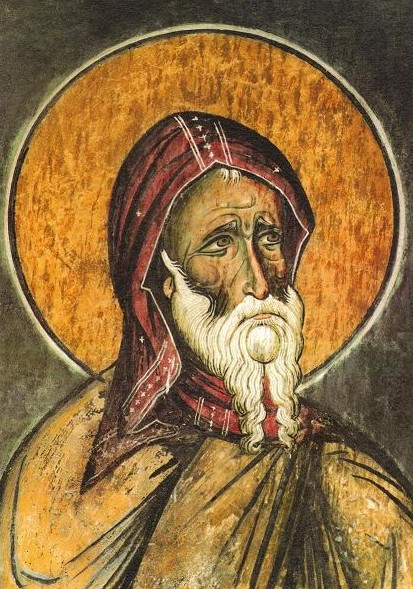
The confluence of the days is no coincidence.  Martin Luther King Jr’s Birthday will be celebrated on January 21st.  This is also the same date of the Second Inauguration of President Barak Obama.  Every American, in particular African-Americans, understand the importance and prophetic like significance of these events.  King was the voice for a better America and helped lead the country out of the satanic state of segregation.  Obama is a symbol of what anyone can achieve if they strive to do their best.  There is no way I could nor would want to dispel these two great men.  But, I do believe it is important for we as Protestant Christians, and especially African-American Christians to also regard Saint Anthony of Egypt.  Today is his feast day.

St. Anthony the Great

St. Anthony the Great inherited great wealth from his parents and could have lived a life of great splendor.  Yet hearing the Gospel message, he left his worldly possessions behind and took up a life of prayer in the desert.  His devotion to prayer was a great influence on Bishop Athanasius of Alexandria who gave the church its first creed and was the first to compile the list of books that became our New Testament.  Another Egyptian, Macarius, to write prayers that are still prayed by Orthodox believers around the world.  Anthony’s defence of Jesus Christ as the incarnate Son of God during the First Ecumenical Council of Nicaea helped the early church reject the heresy of Arianism.  Yet, rather than bask in the glories of his achievements, Anthony kept returning to his cave.  His followers followed his instructions and buried him in a secret grave so that he would not become the object of veneration.
The importance of Anthony is no less than that of MLK and Mr. Obama.  As we celebrate these to great men, now is the time for us to open our hearts and minds to learn about and celebrate our African-Christian heroes (and the saints of other lands as well).  Had there been no Anthony, the correct doctrines supported by Athanasius, Basil, Nicholas (yes, THAT St. Nicholas), and others may not have been as convincing to Emperor Constantine and the Council.  The rich prayer tradition of Orthodox and Catholic monks and nuns would not have developed in such meaningful ways.  Indeed, where would King have received his Holy Bible from?  What sort of Bible would Mr. Obama take the oath of office on? The “Desert Fathers” of Africa should and must be a part of who we African-American Christians honor during Black History Month as without them, we (and the world) might not be here and not have a true idea of who Jesus Christ is.

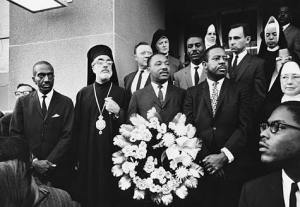
Archbishop Iakovos with Dr. Martin Luther King, Jr.

During the era of Dr. King, we were too busy with fighting for our Civil Rights to learn much about our Christian history.  Now, it is possible that an African-American President who struggled during his first term could win a second.  Nothing is stopping us from reading the books of the early church fathers and talking to Eastern and Oriental Orthodox clergy.  Instead of choking our people on a diet of a modern Christian market, we can introduce them to the solid doctrines, prayers, and practices of our African ancestors.  Even if we choose not to convert to Orthodoxy (and I think some of us should), we should know our history.  We have no excuses not to learn.

Σάββατο 14 Απριλίου 2018

Patriarch of Antioch condemns Trump’s hasty Syria tweets


Orthodox Christianity
Damascus, Syria, April 13, 2018
 
His Beatitude Patriarch John X of Antioch and All the East has released a short statement in response to recent tweets from President Donald Trump about the possibility of war in Syria.
The statement, which condemns the president’s threats of intervention in Syria, has been posted on the Antiochian Patriarchate’s official Facebook page.
“We deplore any possible American aggression on our people,” the spiritual head of Antioch states.
Syrian opposition activists, rescue workers, and medics are claiming that more than 40 people were killed on Saturday when bombs filled with toxic chemicals were dropped on the town of Douma by government forces. The town was the last in the Eastern Ghouta region still held by rebels, reports the BBC.
It has since been taken back by pro-Assad forces.
Bashar al-Assad’s government has categorically denied perpetrating any such attack, although many governments and media outlets have already assumed that it did.
Further, Russian Armed Forces Chief of General Staff Valery Gerasimov announced one month ago, on March 13, that the Russian Defense Ministry had obtained “reliable information” that just such an attack would be carried out by terrorists in the Eastern Ghouta region and would be blamed on the government, as can be seen in a Sputnik video. Russian Foreign Minister Sergei Lavrov has repeated this claim since the alleged attack.
In response to the news of an attack, President Donald Trump tweeted on April 8, “Many dead, including women and children in mindless CHEMICAL attack in Syria… President Putin, Russia and Iran are responsible for backing Animal Assad. Big price to pay.”
Following Russia’s response that it would defend Syria from any U.S. attack, Trump tweeted on April 11, “Russia vows to shoot down any and all missiles fired at Syria. Get ready Russia, because they will be coming, nice and new and “smart!” You shouldn’t be partners with a Gas Killing Animal who kills his people and enjoys it!”
In response to the president’s tweets and to rising global tensions, Pat. John X of Antioch released a short statement yesterday:
We condemn recent US public statements and threats to Syria based on mere allegations of using banned weapons. We deplore any possible American aggression on our people that will cause the country and the region to be further devastated.
The patriarch’s reference to “mere allegations of using banned weapons” is reflected in yesterday’s statements from Defense Secretary General Jim Mattis, in which he acknowledged that the U.S. currently has no proof not only that the Syrian government was behind the chemical attack, but that a chemical attack even happened.
In a testimony before the House Armed Services Committee, Mattis cautioned against launching an attack against Syria too hastily, stating that the U.S. and its allies “don’t have evidence” that the Syrian regime attacked its own people. Further, it is as yet not proven that such an attack even occurred, although he personally believes one did. “I believe there was a chemical attack and we’re looking for the evidence,” Mattis said, reports military.com.
He further notes that even the work of an investigative team will shed no light on who was behind the alleged attack: “We will not know who did it. Only that it happened. That's where we're at right now,” Mattis told the committee.
President Trump's latest tweet, from April 12, shows him backing off somewhat from his earlier messages: “Never said when an attack on Syria would take place. Could be very soon or not so soon at all!”