Click here please...

"Though the mountains be shaken and the hills be removed,yet my unfailing love for you will not be shaken nor my covenant of peace be removed says the Lord, who has compassion on you". (Isaiah 54:10)


The Lenten Triodion is the service book of the Orthodox Church that provides the texts for the divine services for the pre-Lenten weeks of preparation, Great Lent, and Holy Week. The Lenten Triodion is the title of a classic and popular English book translated with an extensive and helpful introduction by Metropolitan Kallistos and Mother Mary; it provides many (but not all) of the texts necessary to observe the great fast. In Greek and Slavonic it is simply called the triodion. It is called the triodion because the canons appointed for Matins during this period are composed of three odes each.
The weeks of preparation, and especially the Sunday gospel readings, serve to exercise the mind, whereas the fasting of Great Lent focuses on the body, and Holy Week's services exercise the spirit.
Weeks of preparation
The three weeks that commence on the fourth Sunday prior to Great Lent constitute the weeks of preparation. Each has its own distinct theme which is expressed in the Gospels readings appointed for the Divine Liturgies on these days:
The Church eases us into the Lenten fasting discipline during this period. The week following the Sunday of the Publican and Pharisee is fast-free. The week following the Prodigal Son is a normal week -- we fast as usual on Wednesday and Friday. In the week following Meatfare Sunday, no meat is eaten; eggs, fish, and dairy are permitted on any day.
Forgiveness Sunday brings the period of preparation to an end. The next day, Clean Monday, begins Great Lent. The Vespers service served on the evening of Forgiveness Sunday includes the Rite of Mutual Forgiveness and is the first service of Great Lent.
Great LentGreat Lent begins on the Monday following Forgiveness Sunday (also called Cheesefare Sunday) with each Sunday highlighted as follows:
Great Lent is followed by Holy Week, the week beginning with Palm Sunday and preceding Pascha.
Sources
Triodion - Greek Orthodox Archdiocese of America
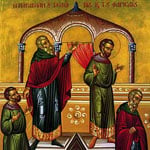
The Sunday of the Publican and the Pharisee is the first Sunday of a three-week period prior to the commencement of Great Lent. It marks the beginning of a time of preparation for the spiritual journey of Lent, a time for Orthodox Christians to draw closer to God through worship, prayer, fasting, and acts of charity. It is also on this day that the Triodion is introduced, a liturgical book that contains the services from this Sunday, the tenth before Pascha (Easter), to Great and Holy Saturday. Read More
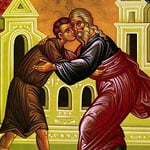
The Sunday of the Prodigal Son is the second Sunday of a three-week period prior to the commencement of Great Lent. On the previous Sunday, the services of the Church began to include hymns from the Triodion, a liturgical book that contains the services from the Sunday of the Publican and the Pharisee, the tenth before Pascha (Easter), through Great and Holy Saturday. As with the Sunday of the Publican and the Pharisee, the theme of this Sunday is repentance, and the focus on the parable of the Prodigal Son leads Orthodox Christians to contemplate the necessity of repentance in our relationship with our Heavenly Father. Read More
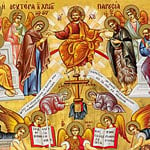
The Sunday of the Last Judgment is the third Sunday of a three-week period prior to the commencement of Great Lent. During this time, the services of the Church have begun to include hymns from the Triodion, a liturgical book that contains the services from the Sunday of the Publican and the Pharisee, the tenth before Pascha (Easter), through Great and Holy Saturday. On this day, focus is placed on the future judgment of all persons who will stand before the throne of God when Christ returns in His glory. Read More
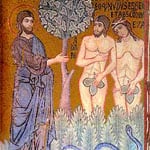
The Sunday of Forgiveness is the last Sunday prior to the commencement of Great Lent. During the pre-Lenten period, the services of the Church include hymns from the Triodion, a liturgical book that contains the services from the Sunday of the Publican and the Pharisee, the tenth before Pascha (Easter), through Great and Holy Saturday. Read More

Πριν από 3 χρόνια χειροτόνησα τον πρώτο ιερέα από την φυλή των Μασάι!!! Με την βοήθεια του Θεού το έργο προχώρα γρήγορα, όμως το ποδήλατο δεν είναι πια αρκετό διότι ήδη εξυπηρετεί τέσσερις μακρινές ενορίες, παρακαλώ ας βοηθήσουμε όλοι μαζί να αγοράσουμε ένα μηχανάκι για τον π. Ηλία και την πρόοδο της Ορθοδόξου Ιεραποστολικής μαρτυρίας!!!
Το μηχανάκι θα στοιχίσει 800€, ας επικοινωνήσουν μαζί μου οι ελεήμονες δωρητές.
Ο Μητροπολίτης Ειρηνουπόλεως, Ανατολικής Τανζανίας και Σεϋχελλών Δημήτριος
«ΠΙΣΤΗ ΚΑΙ ΑΓΑΠΗ»
ΙΕΡΑΠΟΣΤΟΛΙΚΗ ΔΡΑΣΗ
ΕΘΝΙΚΗ ΤΡΑΠΕΖΑ ΕΛΛΑΔΟΣ
213/005506-92
ΙΒΑΝ: GR 48 0110 2130 0000 2130 0550 692
SWIFT – BIC: ETHNGRAA

Η αγάπη τον οδήγησε στην Ιεραποστολή - Τι είχε πει σε εκείνον ο Άγιος Παΐσιος
Έχει επιτελέσει και εξακολουθεί να επιτελεί θεάρεστο έργο, η ζωή του αποτελεί παράδειγμα προς μίμηση. Κινητήριο δύναμή του σε όλα όσα κάνει, η αγάπη… αυτός είναι ο μητροπολίτης Τανζανίας, ο οποίος σώζει χιλιάδες παιδιά από αρρώστιες και την πείνα.
Ο μητροπολίτης Ειρηνουπόλεως κ. Δημήτριος (κατά κόσμον Θεμιστοκλής Ζαχαρέγκας) γεννήθηκε στη Θεσσαλονίκη και είναι ο άγγελος φύλακας ο οποίος με τη στήριξη πιστών από Θεσσαλονίκη και Ρόδο εγκαινιάζει ναούς, νοσοκομεία, σχολεία, φτιάχνει καινούργια πηγάδια, προσφέρει καθημερινά φαγητό και φάρμακα, σώζοντας χιλιάδες παιδιά στην Μαύρη Ήπειρο.
Σε συνέντευξή του στην εφημερίδα «Ροδιακή», σύμφωνα με το kivotos.gr, μιλάει για το έργο του στην Αφρική από το 1989 που εντάχθηκε στην Ιεραποστολική Μονή του Αρχαγγέλου Μιχαήλ στο Θάρρι και αναφέρει: «Η ιεραποστολή ήταν στα σπάργανα. Αυτά τα 15 χρόνια βαφτίσαμε 60.000, ανάμεσά τους πάνω από 8.000 Μουσουλμάνους, χτίσαμε 35 εκκλησίες, δύο ορφανοτροφεία και τώρα χτίζουμε το τρίτο, έχουμε οκτώ δημόσια σχολεία με 12.000 μαθητές, για τους φτωχότερους των φτωχών, πηγάδια για να έχουν πρόσβαση σε πόσιμο νερό 500.000 άνθρωποι και έχουμε έντεκα κλινικές για τα παιδιά με AIDS, τροπικές ασθένειες και ελονοσία».
Ο όσιος Παΐσιος ήταν αυτός που τον προέτρεψε να γίνει ιεραπόστολος: «Είχα πάει στον Άγιο Παΐσιο τον Αγιορείτη (σ.σ. αναγνωρίστηκε ως Άγιος το 2015) και μου είχε πει «παιδί μου, μην το αφήσεις αυτό, έχει ο Θεός και θα δεις στην πορεία πώς θα εξελιχθεί αυτό».

Ο κ. Δημήτριος περιγράφει την επίσκεψή του στο κελί του Αγίου: «Παρατηρούσα ένα δωμάτιο κατασκονισμένο, αλλά λαμπερό. Αυτή η σκόνη έμοιαζε σαν χρυσάφι μέσα στο φως του ήλιου μέσα στο δωμάτιο του Αγίου Παϊσίου.
Παρατήρησα το κρεβάτι του που ήταν από τούβλα, το ένα πάνω στο άλλο και κάτι σανίδια και μία κουβέρτα ριγμένη έτσι πρόχειρα. Παρατηρούσα αυτή την απλότητα που όμως μέσα στην καρδιά μου γέμιζε ένα φως! Ένιωθα κάτι πολύ ιδιαίτερο και ελκυστικό. Κάτι πολύ πνευματικό και ουράνιο. Μετά με παίρνει στην εκκλησία. Μόλις μπήκαμε στο παρεκκλήσιο κάτι είδα εγώ στον θρόνο δίπλα, αλλά από νέο παιδί ποτέ δεν σκανδαλιζόμουν. Ποτέ δεν με ένοιαζε τι κάνει ο άλλος. Πάντα έβλεπα τον εαυτό μου και δεν ασχολούμουν με τους άλλους. Και μου λέει «Ήταν εδώ ένα παλληκάρι και μου είπε γέροντα έχω ψυχολογικά προβλήματα.
Του λέω πάρε αυτά τα στραγάλια να τρως κάθε πρωί νηστικός ένα στραγάλι, αλλά πρέπει να κόψεις το τσιγάρο. Και λέει: Ε να γέροντα, από αυτή τη στιγμή δεν καπνίζω ξανά». Κι άφησε το πακέτο στον θρόνο του Χριστού. Έτσι όταν μπήκα εγώ είδα ένα πακέτο Marlboro στον θρόνο του Χριστού. Και μου λέει ο γέροντας: «Αν ήταν κανένας άλλος τώρα, θα έβγαινε έξω σε αυτούς που μαζεύτηκαν -είχε γεμίσει ήδη έξω, ακούγονταν οι φωνές- και θα τους έλεγε βρε κορόιδα τι περιμένετε, αυτός τα τσιγάρα μέσα στην εκκλησία τα ’χει!».
Λέω «Προς Θεού γέροντα, πώς θα σκεπτόμουν τέτοιο πράγμα» και μου απάντησε «Παιδί μου, πρέπει πάντοτε να έχουμε καλούς λογισμούς. Πάντοτε το καλό μηχανάκι βγάζει καλούς λογισμούς, το κακό το μηχανάκι βγάζει κακούς λογισμούς. Άντε τώρα να φύγεις και να βάλεις το λουκέτο να μην μπουν άλλοι». Όταν έφυγα ήταν γεμάτο κόσμο. Εμένα δεν μου είπε τίποτα άλλο, αλλά καθώς έφευγα γυρίζει και τους λέει: «Τον βλέπετε αυτόν το δάσκαλο; Αυτός θα γίνει ιεραπόστολος!».
Όπως λέει: «Το όνειρό μου δεν ήταν να κάνω τον κόσμο Ορθόδοξο. Από μικρό παιδί σκεφτόμουν τον εαυτό μου να ανακατεύω το γάλα και να ταΐζω τα πεινασμένα παιδιά. Δηλαδή η αγάπη ήταν αυτή που με οδήγησε στην ιεραποστολή. Δεν ήμουν από μια πολύ θρησκευόμενη οικογένεια με τη στενή έννοια. Ο πατέρας μου δεν πήγαινε ποτέ στην εκκλησία. Αν και η μητέρα μου πήγαινε κάθε Κυριακή, γενικά ήταν μία οικογένεια αριστερών πεποιθήσεων, οπότε δεν είχαμε μια πολύ θερμή σχέση με την εκκλησία».
Αρχικά έγινε μητροπολίτης Καμερούν από τον πατριάρχη Αλεξανδρείας μακαριστό Πέτρο. Μετά το Καμερούν ο νυν πατριάρχης Θεόδωρος του εμπιστεύθηκε την Τανζανία, όπου εδώ και 15 χρόνια διακονεί.
Όταν πήγε εκεί, όπως αναφέρει, δεν υπήρχε σχεδόν τίποτε.

Ποιος είναι ο Ειρηνουπόλεως Δημήτριος
Ο Σεβ. Μητροπολίτης Ειρηνουπόλεως, Yπέρτιμος και Εξαρχος Ανατολικής Τανζανίας και Σεϋχελλών κ. Δημήτριος (κατά κόσμον Θεμιστοκλής Ζαχαρέγκας), εγεννήθη στον Σοχό Θεσσαλονίκης το έτος 1965.
Εσπούδασε στην Εκκλησιαστική Παιδαγωγική Ακαδημία Θεσσαλονίκης και στη Θεολογική Σχολή του Αριστοτελείου Πανεπιστημίου Θεσσαλονίκης.
Το έτος 1989 ενετάχθη στην Ιεραποστολική Μονή Αρχαγγέλου Μιχαήλ-Θάρρι της Ρόδου. Διηκόνησε ιεραποστολικά από το 1992 σε Μαδαγασκάρη, Ινδία, Χόνγκ Κόνγκ και Φιλιππίνες και ανέπτυξε αξιόλογη φιλανθρωπική δραστηριότητα.
Εχειροτονήθη Διάκονος και Πρεσβύτερος υπό του Σεβ. Μητροπολίτου Χόνγκ Κόνγκ κ. Νικήτα το 1999.
Ενετάχθη στον Κλήρο του Πατριαρχείου Αλεξανδρείας και υπηρέτησε ως Προϊστάμενος του Ιερού Ναού Ευαγγελισμού της Θεοτόκου Αλεξανδρείας και Υπεύθυνος Γραφείου Τύπου και δημοσίων σχέσεων του Πατριαρχείου.
Έλαβε μέρος σε πλείστες Ειρηνικές Επισκέψεις και Ιεραποστολικές Περιοδείες του Πατριάρχου ανά τον κόσμο.
Μητροπολίτης Καμερούν εξελέγη την 16ην Σεπτεμβρίου 2002 υπό της Αγίας και Ιεράς Συνόδου παμψηφεί, χειροτονηθείς από του μακαριστού Πατριάρχου Αλεξανδρείας κυρού Πέτρου Ζ΄ την 6ην Οκτωβρίου 2002.
Μητροπολίτης Ειρηνουπόλεως εξελέγη υπό της Ιεράς Συνόδου την 27ην Οκτωβρίου 2004.
Η Ιερά Μητρόπολη Ειρηνουπόλεως περιλαμβάνει στην πνευματική της δικαιοδοσία τα κράτη της Τανζανίας και των Σεϋχελλών νήσων.
Διαβάστε, αν θέλετε, και:
Ένα ακόμη πηγάδι προσφέρει καθαρό νερό σε χιλιάδες μικρά παιδιά… Ανατολική Τανζανία

Bishop Neofitos Kongai: Samaritan woman and the need to belong
The Kikuyu tribe proclaimed the Metropolitan of Nairobi as their “Elder”
The Sundays after Easter in the Orthodox Christian Heritage!
African Initiated Churches in Search of Orthodoxy...
African-American Orthodoxy — Eight principal areas of convergence between African spirituality and Ancient Christianity
In Search of Orthodoxy (tag)
Ancient Christian faith (Orthodox Church) in Africa
The Orthodox Church in Kenya & the Orthodox Patriarchal Ecclesiastical School of Makarios III
The Kikuyu tribe proclaimed the Metropolitan of Nairobi as their “Elder”
Hope for the Kikuyu (Kenya) / "The caves along the Tana River became the refuge for freedom fighters..."
Orthodox Christian dialogue with Banyore culture